
Category: Robotics
-

Quadruped Teleoperation System
Introduction Reinforcement Learning (RL) has recently enabled agile and dynamic behaviors in legged robots. However, RL alone is not always the most suitable tool, especially for sparse, long-horizon tasks that involve complex object manipulation. Even with careful problem formulation, reward design, and curriculum learning, such tasks can remain difficult to solve using standard RL methods.…
-

Comparing Modern AI-Powered 3D Reconstruction Pipelines with Traditional Human Motion Capture Systems
Contacts: Marta Gandolla, Andrea Dal Prete Location: Politecnico di Milano (Bovisa Campus) Motivation of the study: Accurate human kinematics measurement is fundamental in biomechanics, ergonomics, and human–robot interaction, yet traditional approaches remain limited. Optical motion capture systems deliver high accuracy but require expensive equipment and controlled laboratory conditions, while IMU-based methods offer portability at the cost of…
-
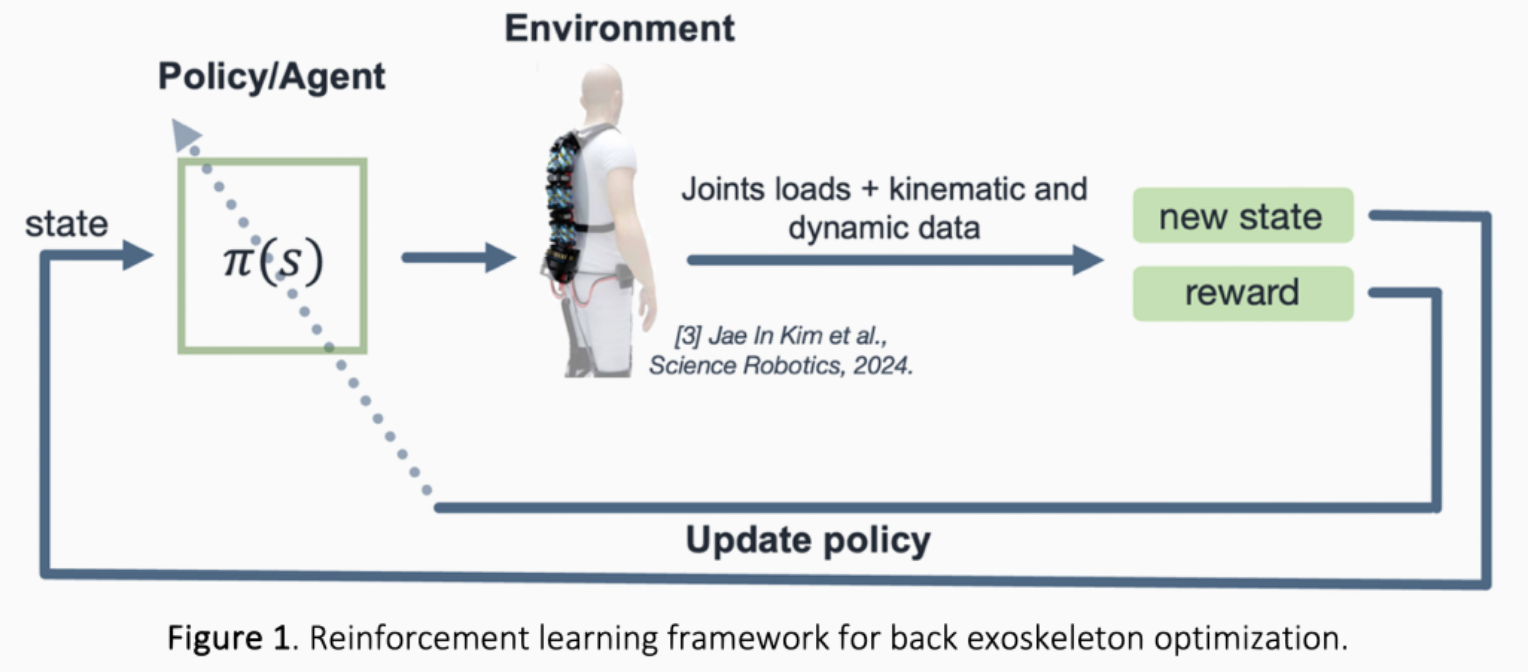
Refinement and Optimization of an Existing Reinforcement Learning Framework for Back Exoskeleton Control
Contacts: Marta Gandolla, Andrea Dal Prete Location: Politecnico di Milano (Bovisa Campus) Motivation of the study. Back exoskeletons are increasingly studied to reduce spinal loads and muscular effort in physically demanding tasks, with both rigid and soft designs showing promising results. However, widespread adoption is limited by the challenge of developing controllers that can adapt to different…
-
Real-Time Estimation of Arm Impedance and Variable Admittance Control for Elbow Exosuit
Contacts: Marta Gandolla, Andrea Dal Prete, Ali KhalilianMotamed Bonab Location: Politecnico di Milano (Bovisa Campus) – Scuola Sant’Anna di Pisa Motivation of the study. This thesis, developed within a collaboration between Politecnico di Milano and Scuola Superiore Sant’Anna, focuses on adaptive control strategies for a hybrid soft–rigid elbow exosuit. The project aims to estimate user biomechanical impedance…
-
Design of a Hybrid Rigid-Soft Cable-Driven Back Exoskeleton
Contacts: Marta Gandolla, Andrea Dal Prete, Ali KhalilianMotamed Bonab Location: Politecnico di Milano (Bovisa Campus) – Scuola Sant’Anna di Pisa Motivation of the study. Musculoskeletal disorders are a major concern in jobs involving repetitive lifting, as they increase spinal loading, fatigue, and the risk of back injuries. Back support exoskeletons (BEs) aim to reduce these…
-
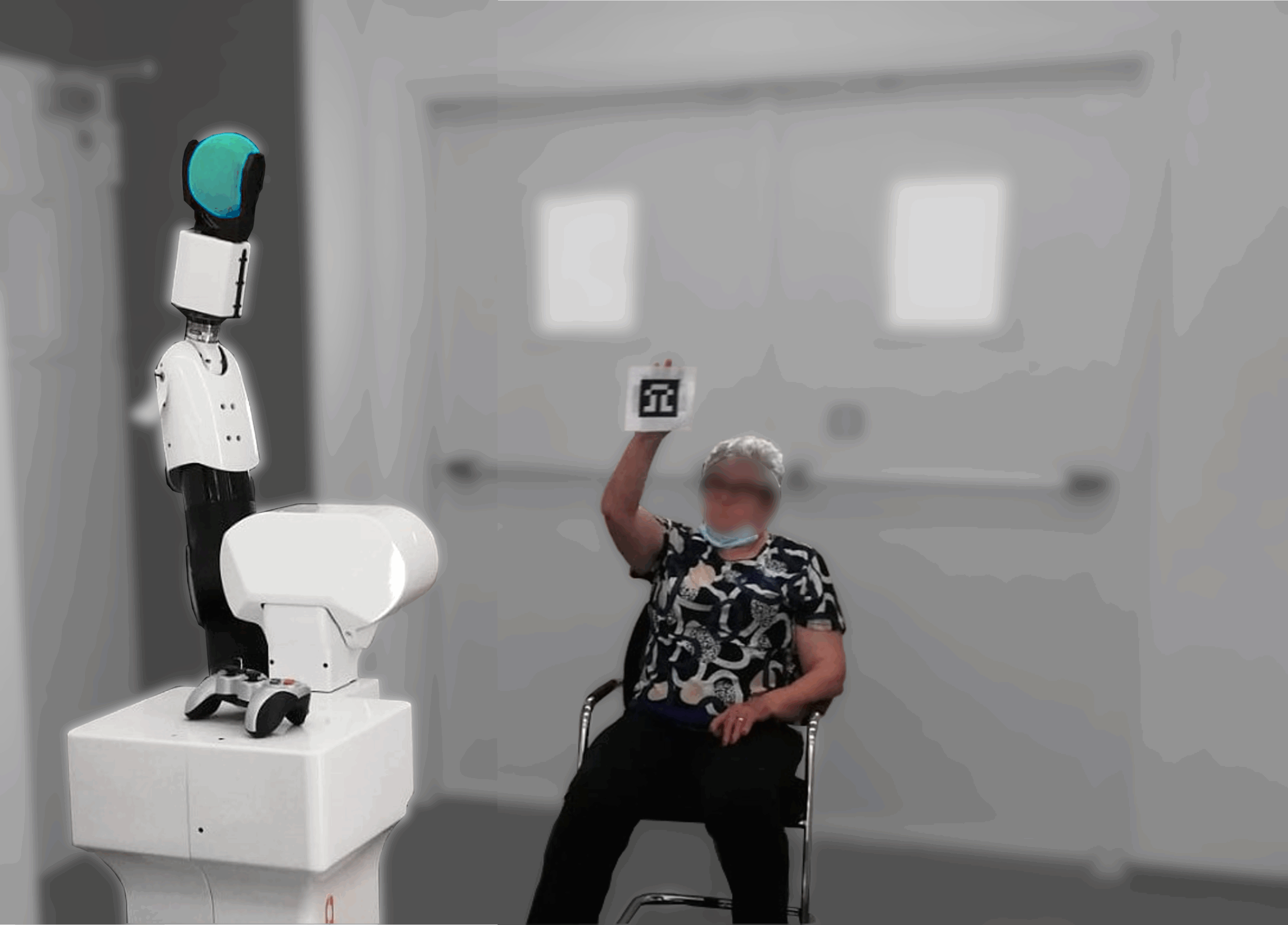
Enhancing Human-Robot Interaction in motor-cognitive game for older adults
As the aging population continues to grow, service robots are emerging as valuable tools to promote active and healthy aging. Previous work at the WE-COBOT Lab developed a motor-cognitive game for the TIAGo robot (PAL Robotics), combining physical and memory training through embodied interaction [Pozzi, Gandolla, Braghin, Robot-Mediated Gesture-Based Memory Game for Older Adult Psychophysical Stimulation.…
-
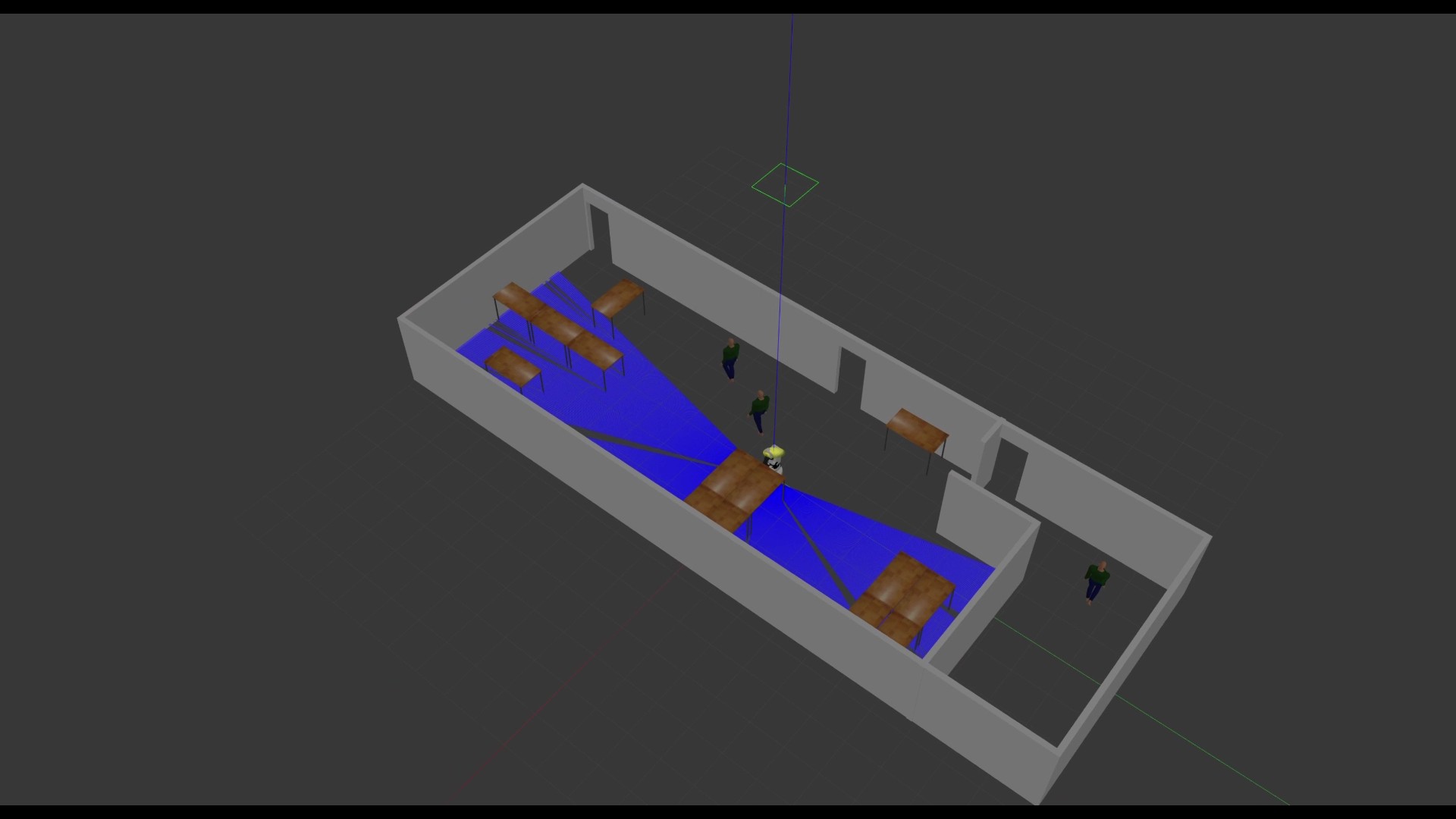
A robotic walking assistant for older adults in long-term care
Assistance and monitoring during elders’ daily walk is something that stakeholders expect from an assistive robot. Though cart-like walkers represent a possible solution, they are limited in versatility. Contrarily, a humanoid walking assistant has the potentiality to accomplish many other tasks and to engage in social interactions, extending the caregivers’ activity. The student will develop…
-
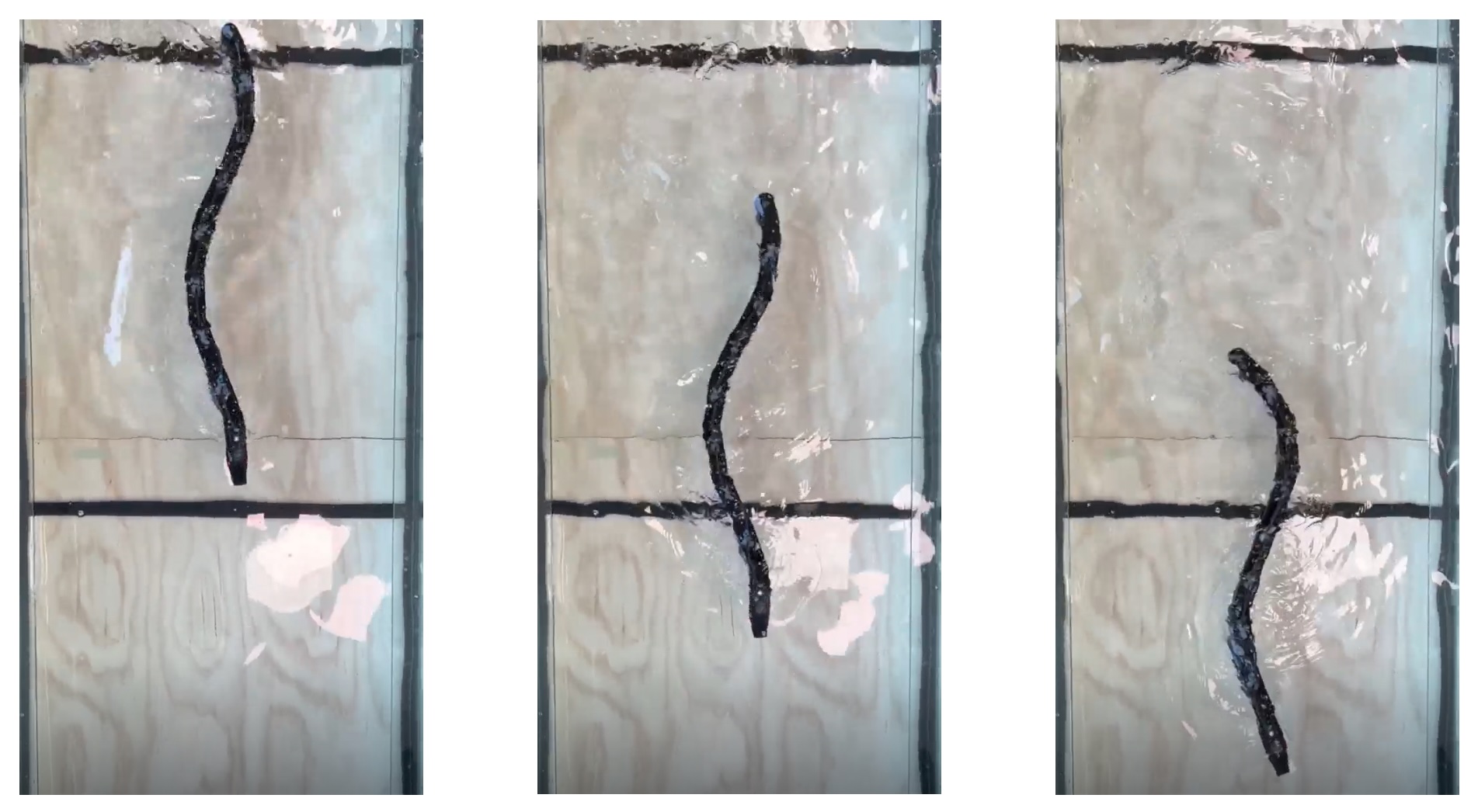
Control of an aquatic snake robot inspired by lampreys’ Central Pattern Generator
Aquatic robots inspired by snakes or eels can move with extreme agility and maneuverability, and are able to swim through narrow spaces and confined environments, opening the possibility to use these robots for environmental monitoring, search and rescue or infrastructure inspection. This robot is composed of nine modules that move generating a wave traveling from…
-
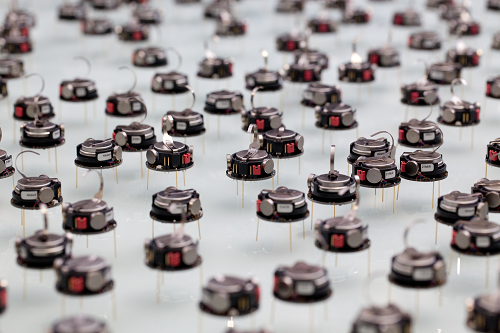
Real-time optimal transport of robotic swarms in fluids in 3D domains
Optimally guiding large-scale swarms of drones, underwater vehicles or nanoparticles moving in a fluid is a crucial task in several fields, ranging from medicine to smart delivery. To steer the swarm dynamics avoiding obstacles, controllers must be able to rapidly adapt the optimal action to changes in the external environment, as often happen in applications.…
-
Physics-informed smoothing and model identification in dynamical systems
Motivation of the study. Many real-world phenomena produce time series representing the evolution of physical states, examples include the measurement of neuronal activity in neuroscience, the tracking of mechanical systems in engineering, and the monitoring of ecological processes. However, these data are often noisy, incomplete, or measured at different sample rates, making it challenging to…