
-
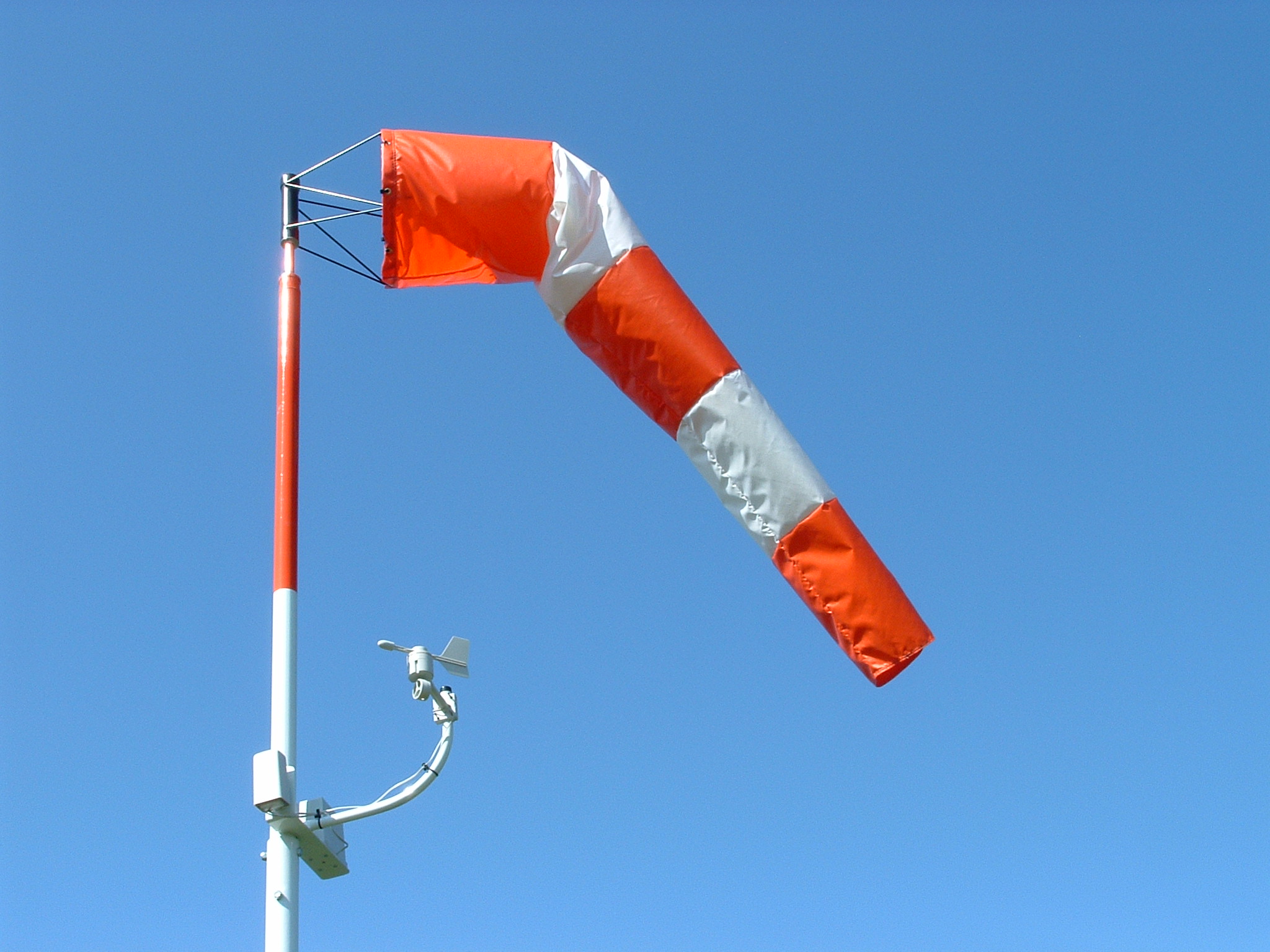
Estimation of Extreme Wind Speeds from Airport Anemometer Records and Comparison with Code-Based Design Values
This thesis aims to investigate the consistency between code-prescribed wind speeds and those derived from measured wind records. Read more
-
CFD Modeling for peak pressure assessment on buildings
We are looking for a passionate student to contribute to our research in the field of Computational Wind Engineering. The selected candidate will work on exploring the feasibility of assessing the peak pressures experienced by buildings utilizing Computational Fluid Dynamics (CFD) techniques. This research aims to explore the performance and costs associated to high-fidelity simulations for this relevant assessment under different wind conditions and with different numerical settings. Key Responsibilities: •CFD Simulations: Perform Large Eddy Simulations to analyze the peak pressures arising on buildings due to wind action, comparing the results with wind tunnel tests. Work will be mainly carried out in our High-Performance Computing cluster.… Read more
-
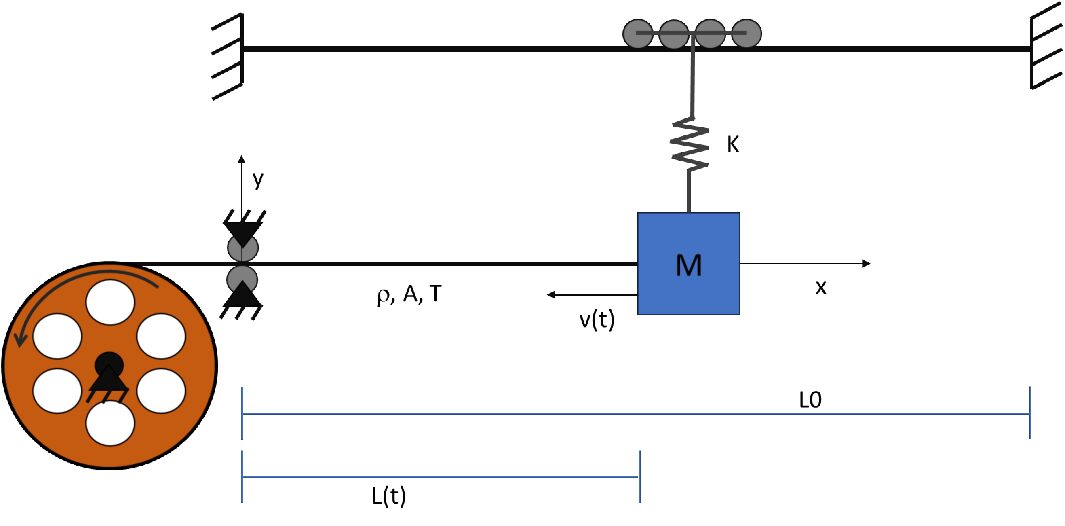
Dynamics of an aerial cableway through a time-varying meshing finite element approach
Ropeways have been used intensively for transportation of goods and people since the early nineteenth century. To study the nonlinear effects of the forces acting on the carrying cable, and how they affect the static and dynamic behaviour of the plant, a finite element model with a time-varying mesh has been developed. The system modelling is based on two ropes (carrying and hauling), describing a back-and-forth aerial ropeway to which a concentrated mass representing the cabin is added. An overview of the existing FE model is available here: https://rdcu.be/eYTs2 Aim of the thesis project The aim of the thesis work… Read more
-
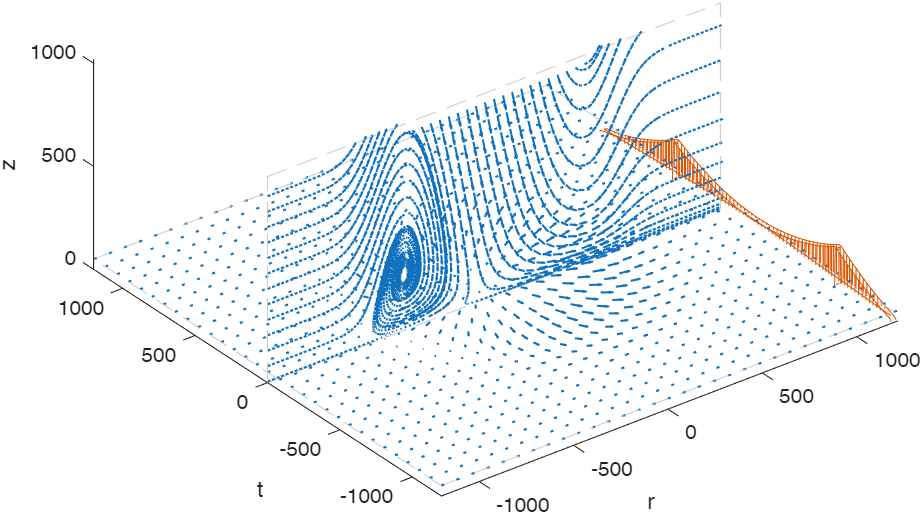
Dynamic Response of Slender Structures to Downbursts
Background and MotivationDownbursts are localized, intense downdrafts produced by convective storms that generate strong, transient, and highly non-uniform wind fields near the ground. Unlike synoptic winds, downbursts exhibit rapid temporal variation and complex spatial characteristics, posing a significant challenge to conventional wind engineering assumptions. Slender structures such as transmission towers, chimneys, masts, long-span bridges, and tall buildings are particularly vulnerable due to their flexibility and sensitivity to dynamic wind loads. Current design codes are largely based on stationary, boundary-layer wind models and may not adequately capture the structural response under downburst-type loading. A better understanding of the dynamic interaction between… Read more
-
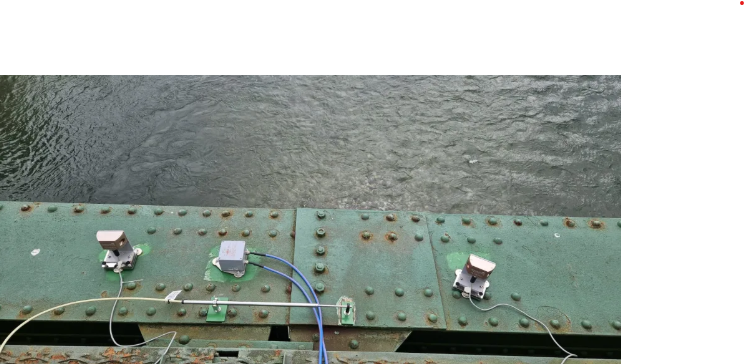
Fault Detection and Management in Sensors for Structural Health Monitoring of Railway Bridges
fault detection, permanent monitoring system, Railway bridges, sensors fault, structural health monitoringStructural health monitoring (SHM) of railway bridges heavily relies on data collected from sensor networks (accelerometers, strain gauges, data acquisition systems). However, technical faults in sensors – such as electrical failures, connection errors, drift, or hardware malfunctions – may compromise the reliability of the measurements. In some cases, fault-induced signals can be mistakenly interpreted as indicators of structural damage, reducing the effectiveness of monitoring campaigns. This thesis aims to develop an algorithm for automatic fault detection and classification in SHM sensors. The goal is to distinguish between anomalies caused by actual structural damage and anomalies resulting from sensor malfunctions, thereby… Read more
-
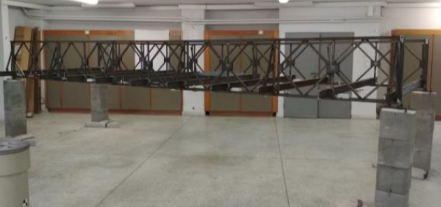
Realization of a laboratory scaled steel truss bridge
As direct damage application on full-scale bridge structures is unfeasible, scaled laboratory models provide a suitable alternative for the validation of structural health monitoring (SHM) algorithms. Such models enable the introduction of controlled damage with known location and extent. The objective of this thesis is to design and construct a scaled laboratory model of an existing steel truss railway bridge. The realized scaled bridge will help in advancing the exploration of SHM alogirthms and perspectives. This thesis could be carried out by a couple of students. Contacts: Lorenzo Bernardini, Andrea Collina Read more
-
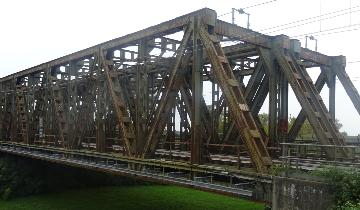
Bridge FE model updating through on-field continuous measurements
FE model updating involves calibrating unknown and uncertain parameters to make the numerical model response match with the experimental measurements. For a bridge FE model, an updated model can serve multiple purposes, including damage detection, informed reinforcement design and the evaluation of new operational scenarios. Within this context, the student will implement a model updating algorithm to effectively calibrate and tune FE model parameters using data obtained from a permanent structural health monitoring (SHM) system. Contacts: Lorenzo Bernardini, Andrea Collina Read more
-
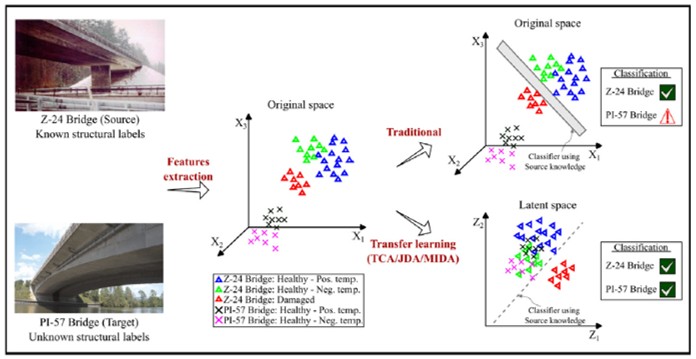
Transfer Learning and Domain Adaptation for Bridge Monitoring
Structural health monitoring of bridges and viaducts is a crucial field to ensure infrastructure safety and durability. However, one of the main challenges is the scarcity of available data for newly monitored structures, which makes it difficult to train reliable machine learning models. Additionally, assessing the health condition of a structure at the beginning of the monitoring period is challenging, as at least six months to one year of data collection is typically required. This reduces the efficiency and responsiveness of monitoring campaigns. This thesis aims to explore the use of Transfer Learning and Domain Adaptation techniques to address this… Read more
-
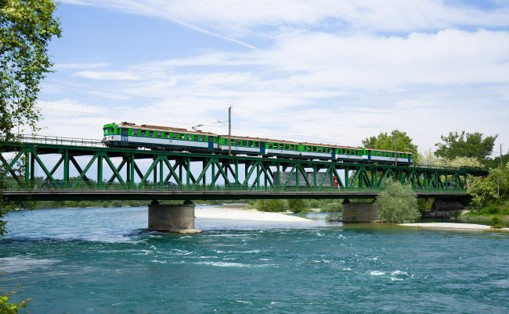
Data-Driven Structural Health Monitoring of Railway Bridges through Signal Decomposition Methods
Anomaly detection, Machine Learning, Railway bridges, Signal processing, structural health monitoringContacts: Viviana Giorgi, Gabriele Cazzulani, Claudio Somaschini Structural health monitoring of bridges and viaducts is crucial to ensure safety and operational reliability. A promising approach relies on the analysis of acceleration signals recorded during train passages, which contain valuable information about the structural dynamic state. However, extracting robust diagnostic indicators from such high-frequency signals is challenging due to their complexity and noise content. This thesis aims to investigate the use of signal decomposition techniques, such as Empirical Mode Decomposition (EMD) and Variational Mode Decomposition (VMD), to identify meaningful components and damage-sensitive parameters. The results will be compared with numerical simulations of train passages… Read more