
-
Design and testing of a wireless pressure-tap anemometer for distributed wind monitoring
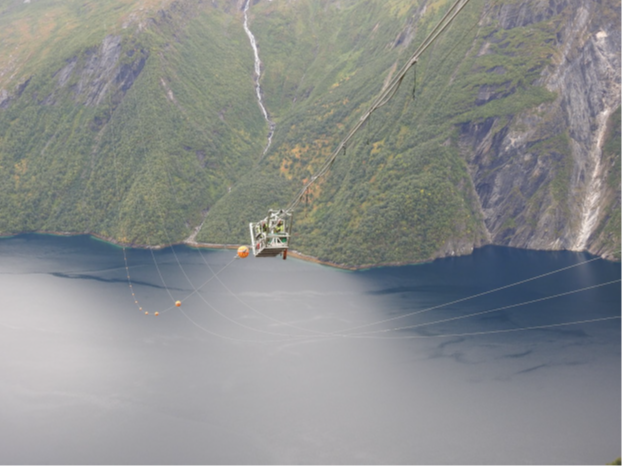
Background and Motivation Accurate characterization of wind loading is fundamental in wind engineering, particularly for slender and flexible structures exposed to turbulent atmospheric flows. Conventional anemometers provide accurate measurements at a specific location, but their use for distributed wind monitoring can become impractical when measurements are required at multiple points over large structures. This issue is particularly relevant for long-span transmission lines and crossings, such as overhead lines crossing rivers, fjords, or large valleys. In these applications, the spatial variability and correlation of the wind field along the structure can significantly influence its dynamic response. A distributed measurement system capable… Read more
-
Aerodynamics of drone flight in complex wind farm flows (no CFD)
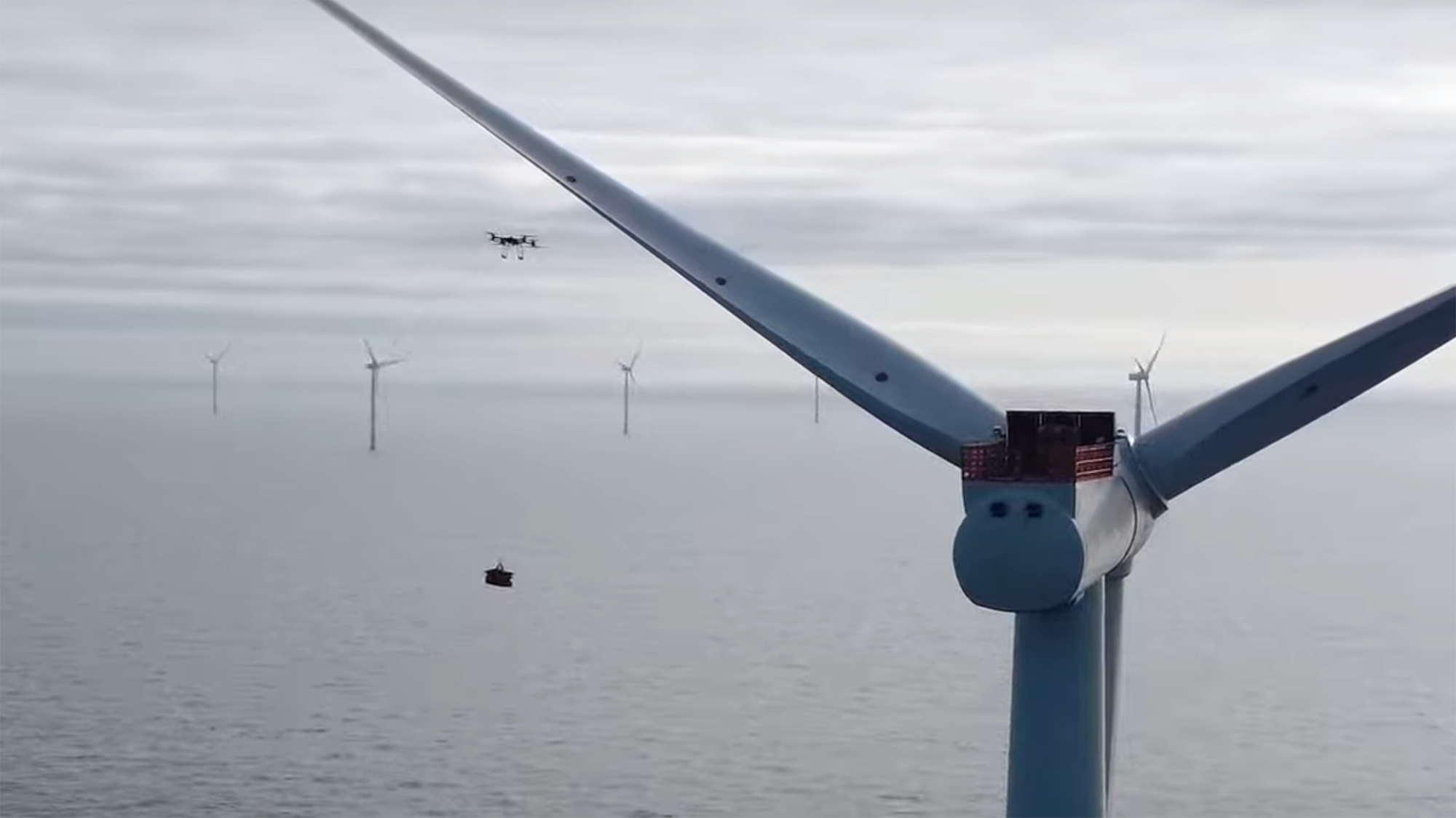
The use of drones in wind farms offers significant opportunities for automated inspection, measurements of the atmospheric wind, and the transport of tools and equipment. In these applications, drones may operate close to wind turbines and therefore encounter a highly complex aerodynamic environment characterized by atmospheric turbulence, wind shear, and the unsteady wakes generated by turbine rotors. Wind turbine wakes are characterized by reduced mean wind velocity, increased turbulence, strong velocity gradients, and coherent vortical structures. These flow features can significantly affect the aerodynamic performance of a multirotor drone, producing fluctuations in rotor thrust and power and increased control effort… Read more
-

Wireless Sensor-Based Monitoring of Conductor Galloping
Background and Motivation Conductor galloping is a large-amplitude, low-frequency aeroelastic instability that can affect overhead transmission lines under specific combinations of wind conditions and conductor characteristics. The detection and characterization of galloping events in real-world conditions are essential for understanding the phenomenon and for developing reliable prediction and mitigation strategies. This thesis focuses on the development of an innovative wireless monitoring system for the detection of conductor galloping on an existing transmission line in the United States. The use of wireless sensors offers the opportunity to develop a flexible and potentially scalable monitoring approach for real-world applications, combining wind engineering… Read more
-
Physics-based aerodynamic modeling of drone formation flight (no CFD)
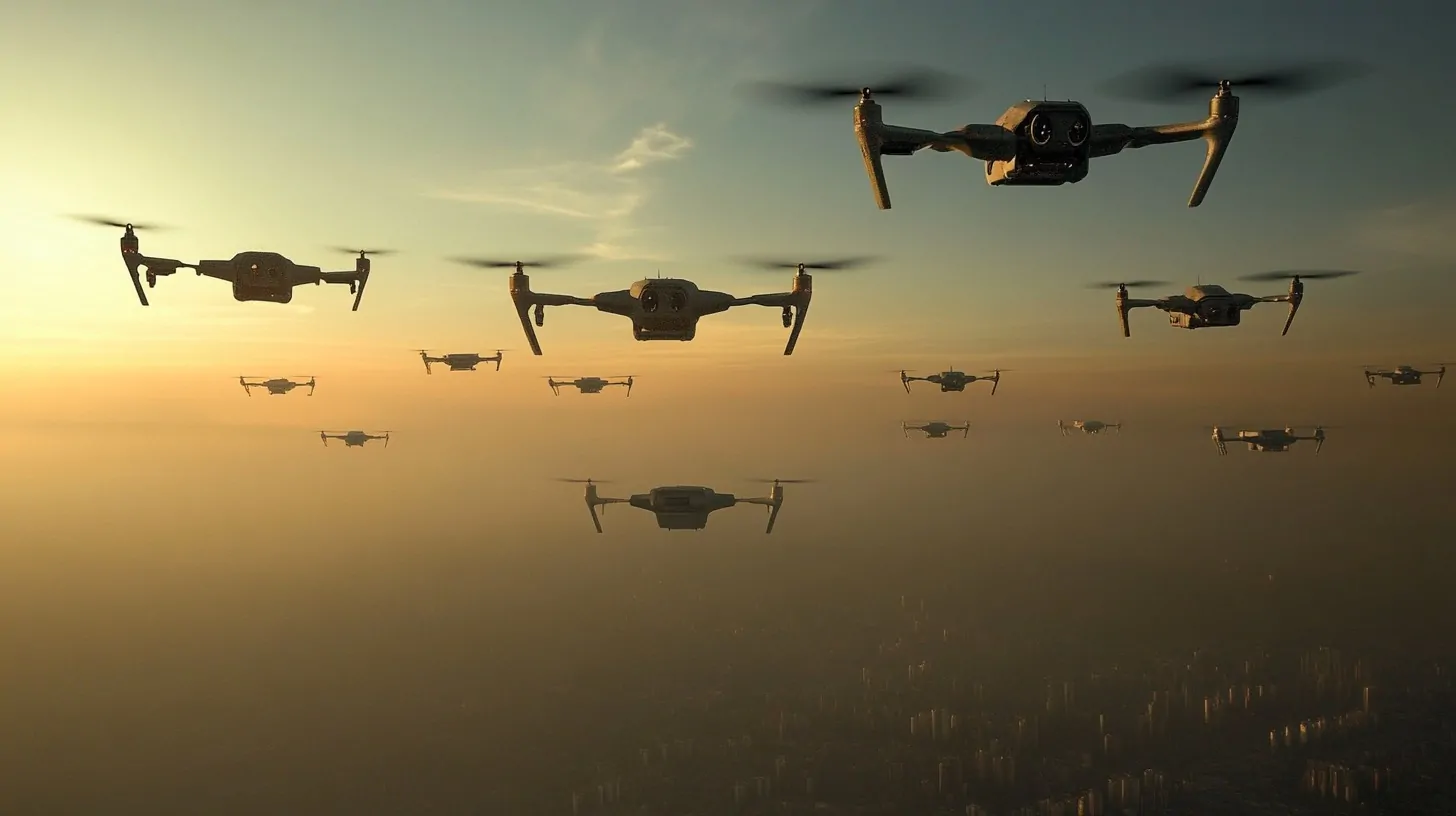
The rapid growth of autonomous aerial systems is driving the development of drone swarms capable of performing cooperative missions such as environmental monitoring, infrastructure inspection, search and rescue, and parcel delivery. As these applications increasingly rely on multiple drones operating in close proximity, aerodynamic interactions between their rotor wakes become an important factor affecting flight efficiency, stability, energy consumption, and control performance. Current approaches for the simulation and control of drone formations typically neglect these aerodynamic interactions or represent them using highly simplified models. On the other hand, high-fidelity Computational Fluid Dynamics (CFD) simulations are too computationally expensive to support… Read more
-
Wind Tunnel Testing of Iced Conductor Bundles for Galloping Assessment
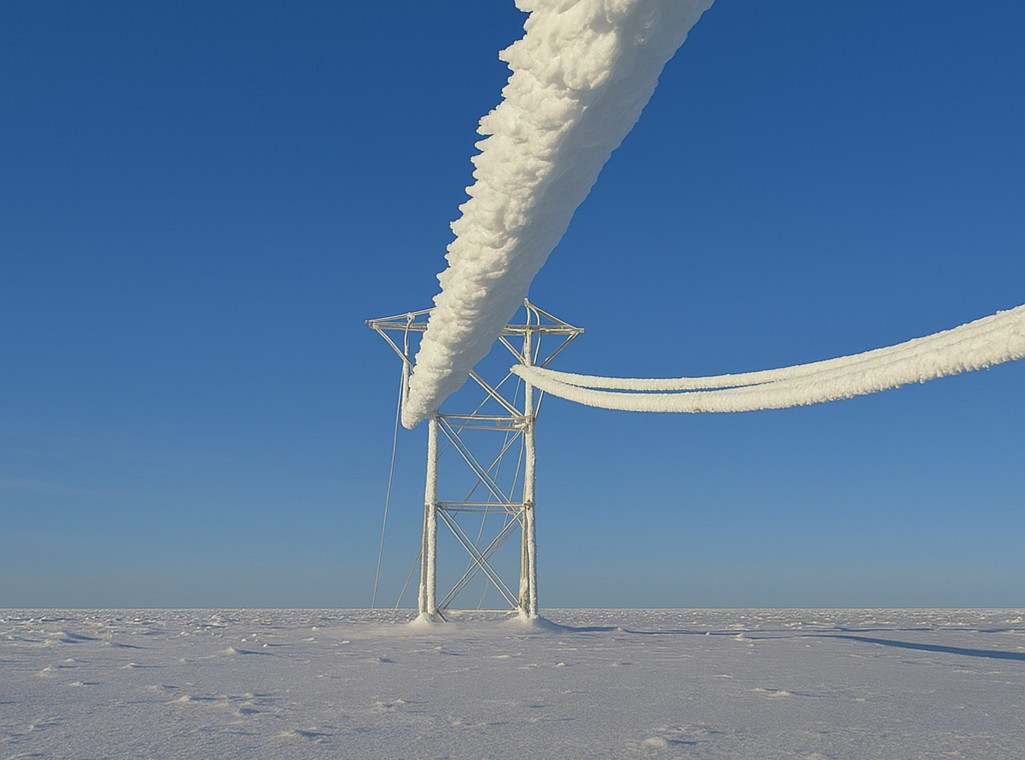
Background and Motivation Galloping is a large-amplitude, low-frequency aeroelastic instability that may develop on overhead transmission lines under specific combinations of wind conditions and ice accretion. Accurate prediction of galloping requires reliable aerodynamic data, including force coefficients and flutter derivatives, which strongly depend on the geometry of the ice accretion and the conductor bundle configuration. Although several experimental studies have been conducted over the past decades, available datasets remain limited and often focus on simplified conductor arrangements. Wind tunnel testing therefore plays a key role in improving the characterization of iced conductors and supporting the development of more accurate galloping… Read more
-
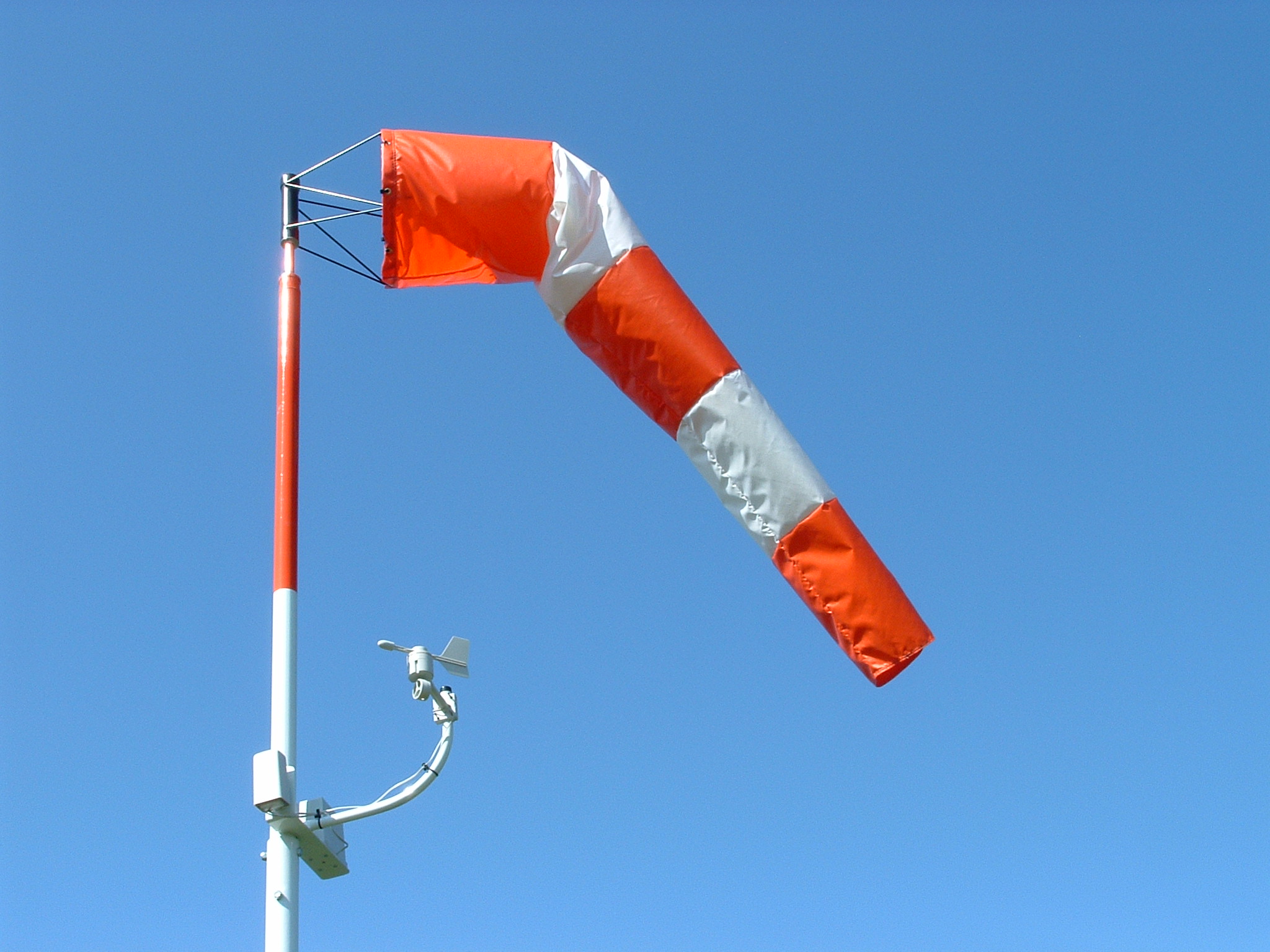
Estimation of Extreme Wind Speeds from Airport Anemometer Records and Comparison with Code-Based Design Values
This thesis aims to investigate the consistency between code-prescribed wind speeds and those derived from measured wind records. Read more
-
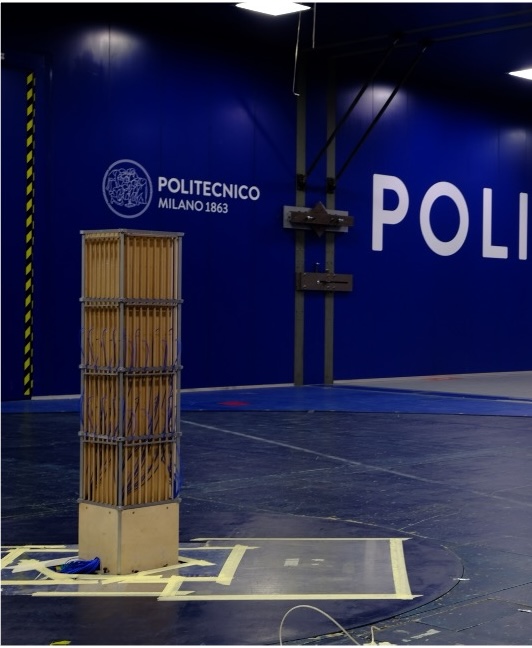
Shaping the Flow: CFD Modeling of Louvered Envelopes for High-Rise Buildings
The use of louvers as building cladding offers a promising approach to actively modify the flow around high-rise structures. Through their directional effect, they can significantly influence the local flow topology and the overall aerodynamic response of the building. The aim of this work is to numerically investigate the aerodynamic impact of a louvered envelope on a square-prism high-rise building, employing homogenized models in OpenFOAM (OF) to reproduce the directional effects of the louvers. Numerical predictions will be validated through comparison with available experimental wind tunnel measurements. Required skills: The ideal candidate should have a solid background in fluid dynamics and a… Read more
-
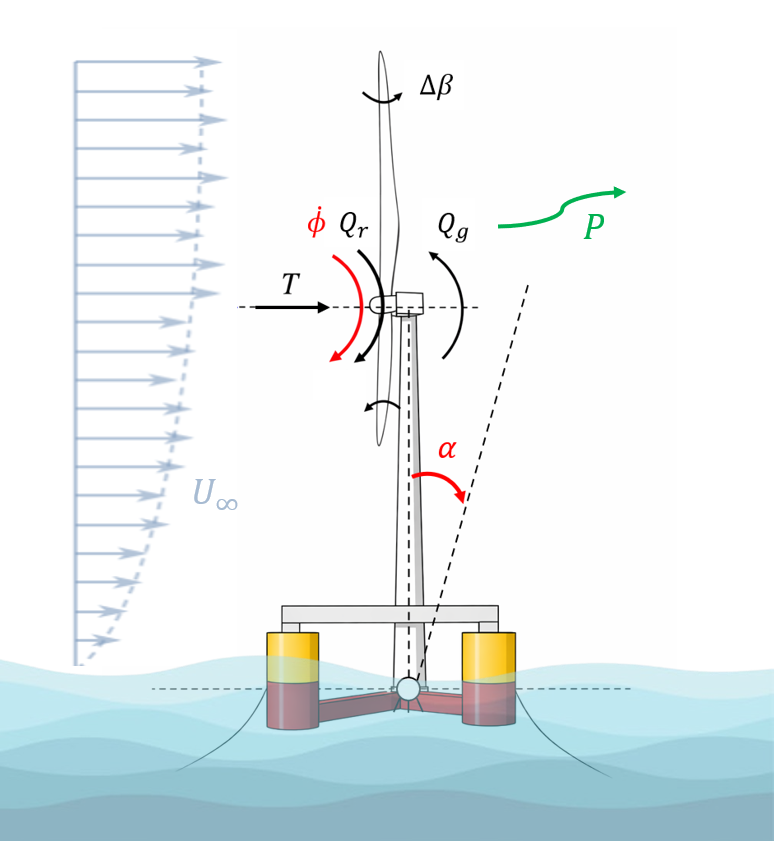
Multi-Objective Control Synthesis for Floating Wind Turbines
We are looking for a motivated and passionate student to contribute to our research in the field of wind energy and to work on a topic with strong scientific and industrial relevance. Floating wind turbines are complex systems, in which aerodynamics, hydrodynamics, structural dynamics, and control systems are strongly coupled. This multi-physics interaction makes the design of effective control strategies particularly challenging. In this context, turbine control must simultaneously address multiple objectives, including power regulation, fatigue load mitigation and overall system stability. This thesis focuses on the development of simplified dynamic models to support systematic control synthesis and on the… Read more
-
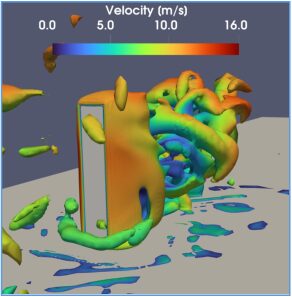
CFD Modeling for peak pressure assessment on buildings
We are looking for a passionate student to contribute to our research in the field of Computational Wind Engineering. The selected candidate will work on exploring the feasibility of assessing the peak pressures experienced by buildings utilizing Computational Fluid Dynamics (CFD) techniques. This research aims to explore the performance and costs associated to high-fidelity simulations for this relevant assessment under different wind conditions and with different numerical settings. Key Responsibilities: •CFD Simulations: Perform Large Eddy Simulations to analyze the peak pressures arising on buildings due to wind action, comparing the results with wind tunnel tests. Work will be mainly carried out in our High-Performance Computing cluster.… Read more
-
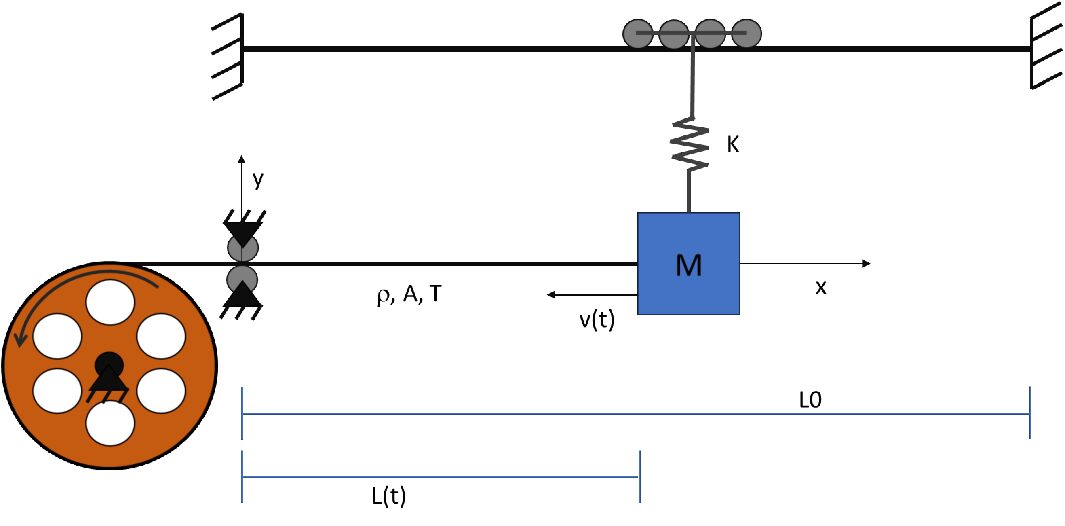
Dynamics of an aerial cableway through a time-varying meshing finite element approach
Ropeways have been used intensively for transportation of goods and people since the early nineteenth century. To study the nonlinear effects of the forces acting on the carrying cable, and how they affect the static and dynamic behaviour of the plant, a finite element model with a time-varying mesh has been developed. The system modelling is based on two ropes (carrying and hauling), describing a back-and-forth aerial ropeway to which a concentrated mass representing the cabin is added. An overview of the existing FE model is available here: https://rdcu.be/eYTs2 Aim of the thesis project The aim of the thesis work… Read more