
Category: Wind
-
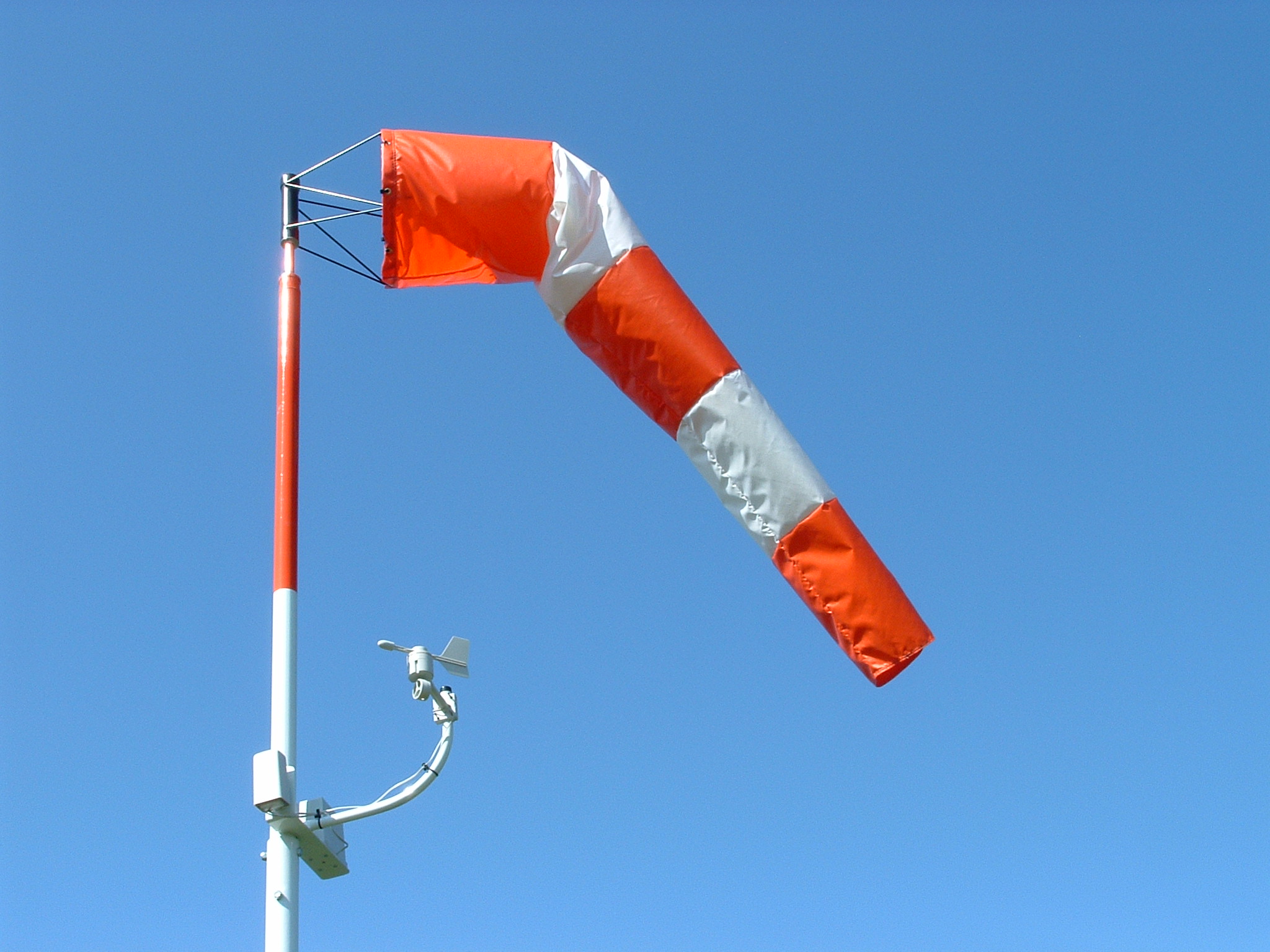
Estimation of Extreme Wind Speeds from Airport Anemometer Records and Comparison with Code-Based Design Values
This thesis aims to investigate the consistency between code-prescribed wind speeds and those derived from measured wind records.
-
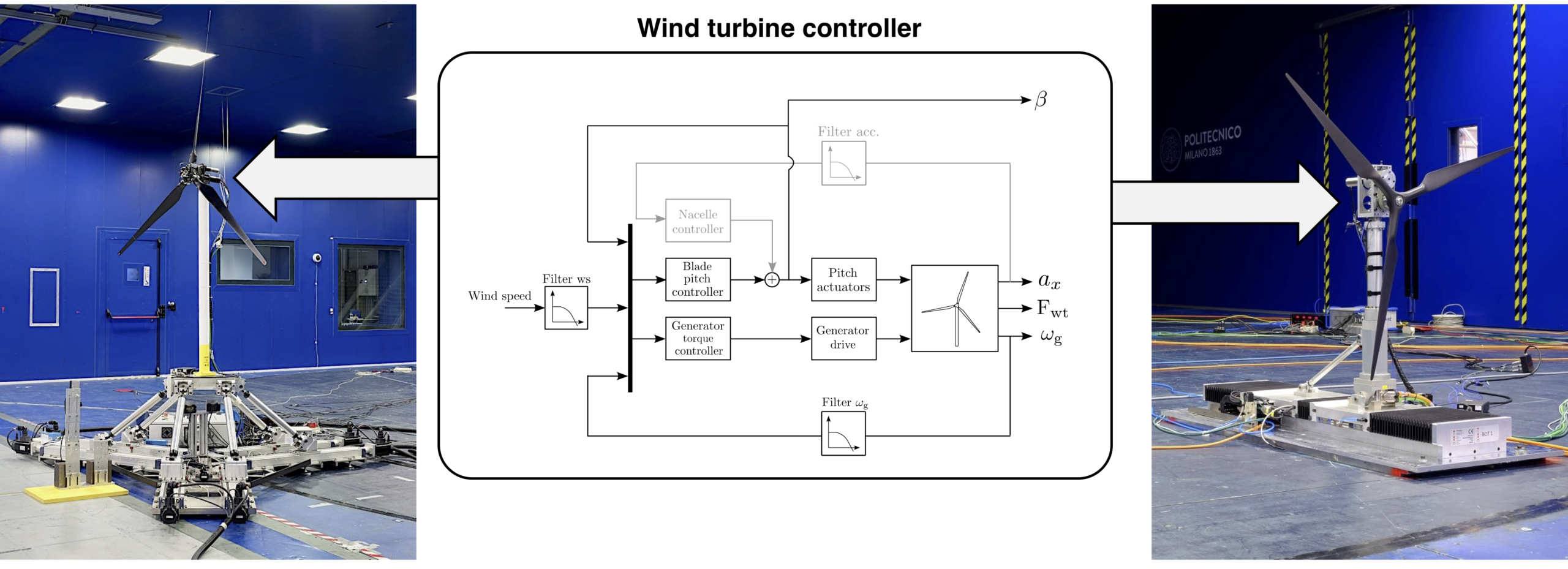
Unified control framework for scaled wind turbine models in wind tunnel testing
Accurate control of wind turbine scale models is essential to ensure representative experimental results and meaningful comparison with full-scale machines. However, scaled turbines have different aerodynamic characteristics, actuator dynamics, inertia ratios, and sensing capabilities compared to utility-scale turbines. This thesis aims to develop a unified control framework for regulating the operation of wind turbine scale
-
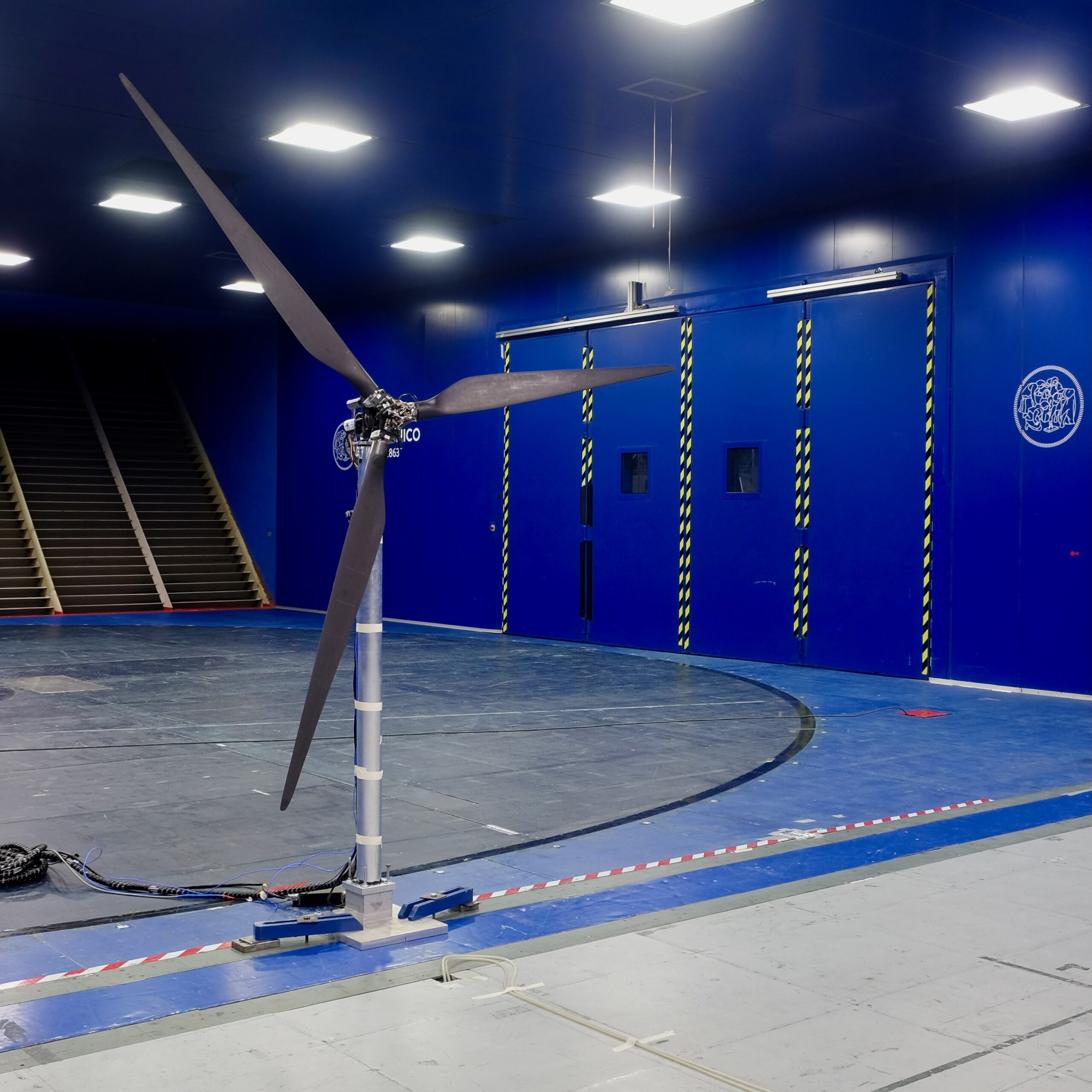
Aero-Elastic Modeling and Control of a Wind Turbine Scale Model
Accurate aero-elastic modeling is essential for understanding wind turbine dynamics, validating experimental results, and developing advanced control strategies. This thesis aims to develop a high-fidelity one-to-one aero-elastic model of a wind turbine scale model for wind tunnel testing. The model will reproduce the full geometry, mass and mass distribution, structural flexibility, aerodynamic behavior of the
-
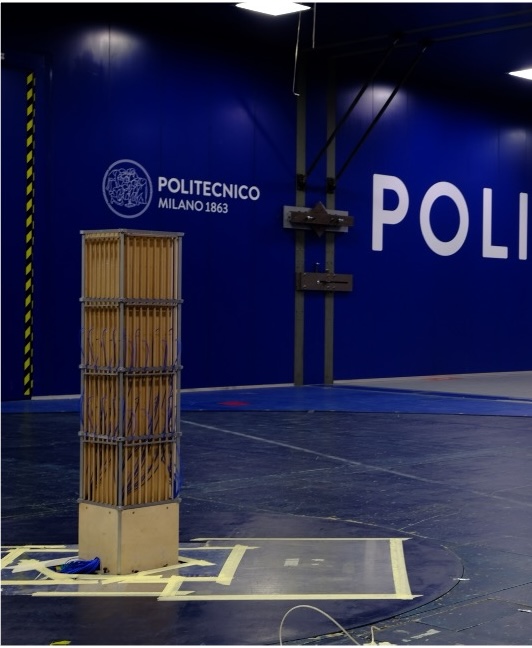
Shaping the Flow: CFD Modeling of Louvered Envelopes for High-Rise Buildings
The use of louvers as building cladding offers a promising approach to actively modify the flow around high-rise structures. Through their directional effect, they can significantly influence the local flow topology and the overall aerodynamic response of the building. The aim of this work is to numerically investigate the aerodynamic impact of a louvered envelope
-
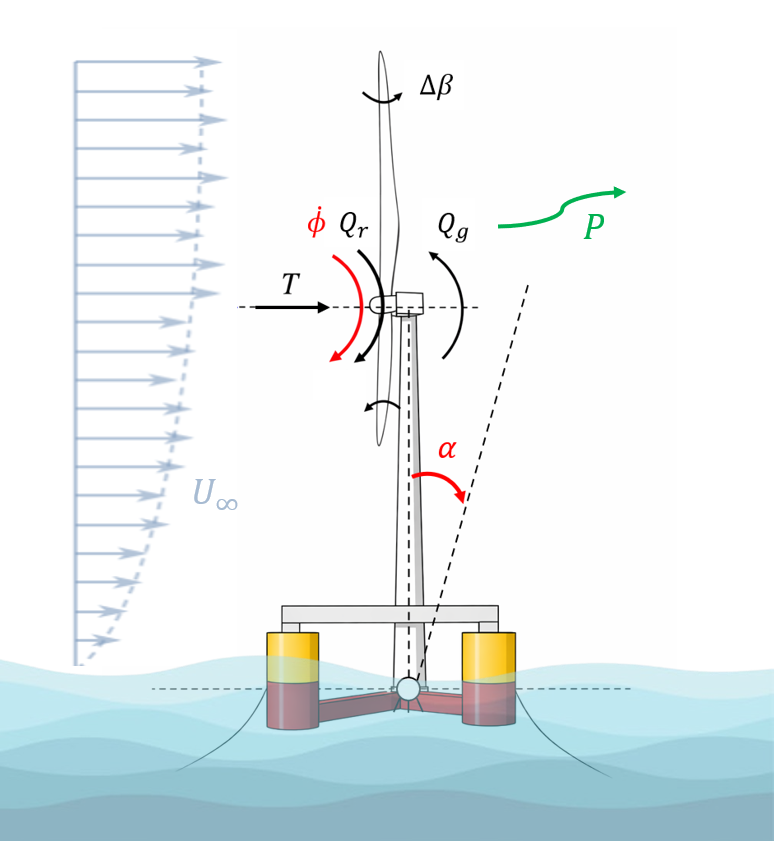
Multi-Objective Control Synthesis for Floating Wind Turbines
We are looking for a motivated and passionate student to contribute to our research in the field of wind energy and to work on a topic with strong scientific and industrial relevance. Floating wind turbines are complex systems, in which aerodynamics, hydrodynamics, structural dynamics, and control systems are strongly coupled. This multi-physics interaction makes the
-
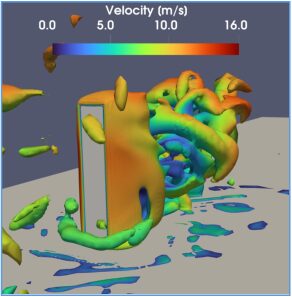
CFD Modeling for peak pressure assessment on buildings
We are looking for a passionate student to contribute to our research in the field of Computational Wind Engineering. The selected candidate will work on exploring the feasibility of assessing the peak pressures experienced by buildings utilizing Computational Fluid Dynamics (CFD) techniques. This research aims to explore the performance and costs associated to high-fidelity simulations for this relevant assessment under
-
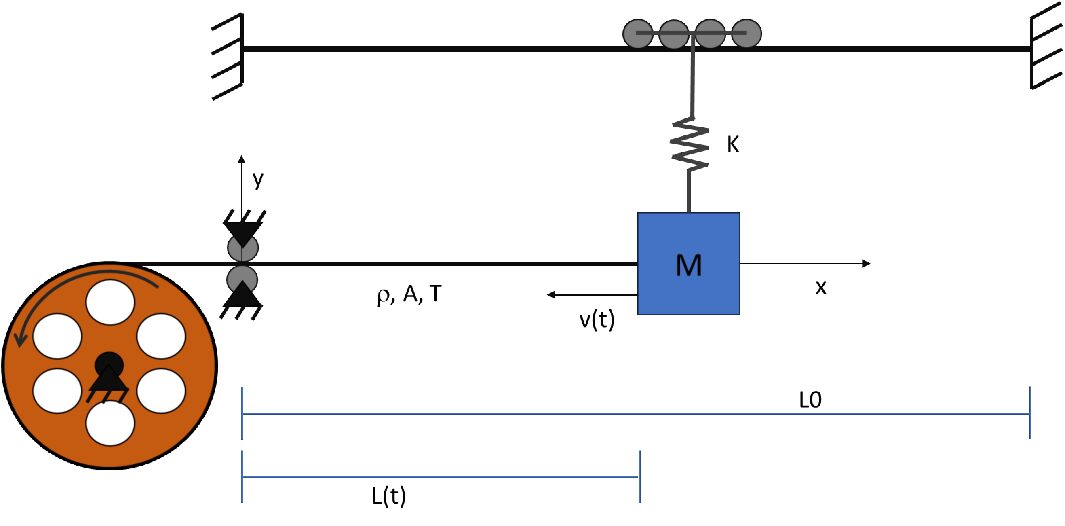
Dynamics of an aerial cableway through a time-varying meshing finite element approach
Ropeways have been used intensively for transportation of goods and people since the early nineteenth century. To study the nonlinear effects of the forces acting on the carrying cable, and how they affect the static and dynamic behaviour of the plant, a finite element model with a time-varying mesh has been developed. The system modelling
-
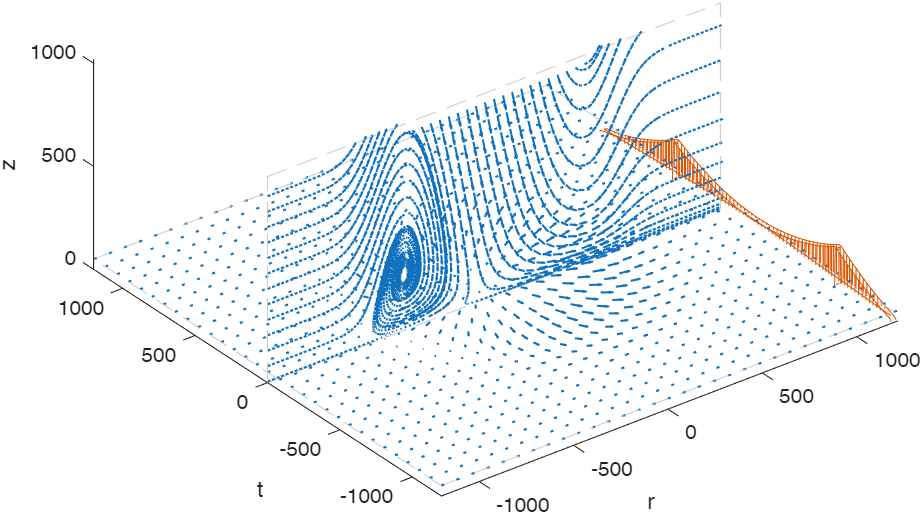
Dynamic Response of Slender Structures to Downbursts
Background and MotivationDownbursts are localized, intense downdrafts produced by convective storms that generate strong, transient, and highly non-uniform wind fields near the ground. Unlike synoptic winds, downbursts exhibit rapid temporal variation and complex spatial characteristics, posing a significant challenge to conventional wind engineering assumptions. Slender structures such as transmission towers, chimneys, masts, long-span bridges, and