
Tag: Wheel-Rail interaction
-
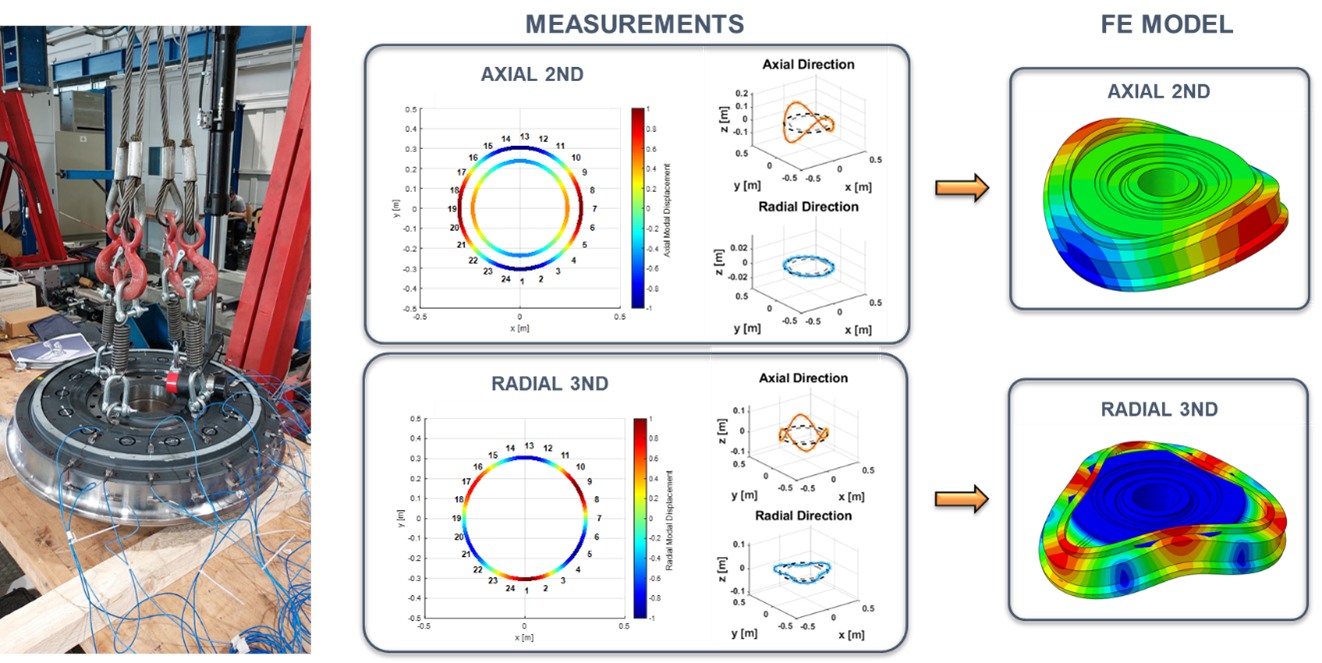
The influence of resilient wheels on railway noise and vibration induced by urban rolling stocks
Noise and vibration generated by rail vehicles has become an issue of increasing concern, particularly in urban and interurban contexts where the demand for sustainable and efficient mobility has driven the expansion of rail networks. Nowadays, it is very common to mount resilient wheels on light rail systems or tramcars, with the aim of reducing
-
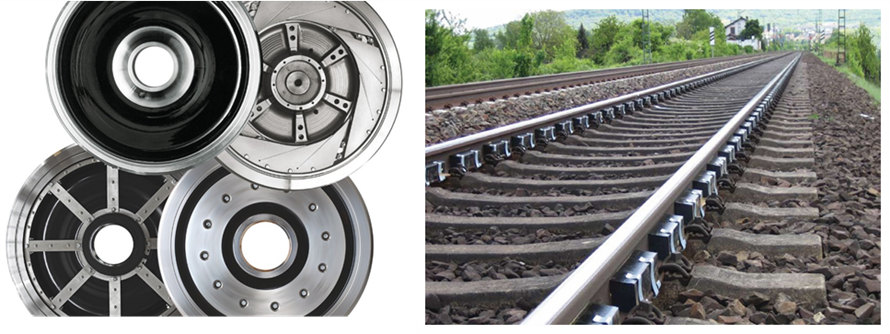
Mitigation of railway noise using wheel/rail dampers
curve squeal, dampers, FE model, Railway noise, vehicle dynamics, Vibrations, Wheel-Rail interactionNoise and vibration generated by rail vehicles has become an issue of increasing concern, particularly in urban and interurban contexts where the demand for sustainable and efficient mobility has driven the expansion of rail networks. Several mitigation solutions have been developed in the recent years, involving noise barriers, sound absorbing materials, advanced track components, resilient
-
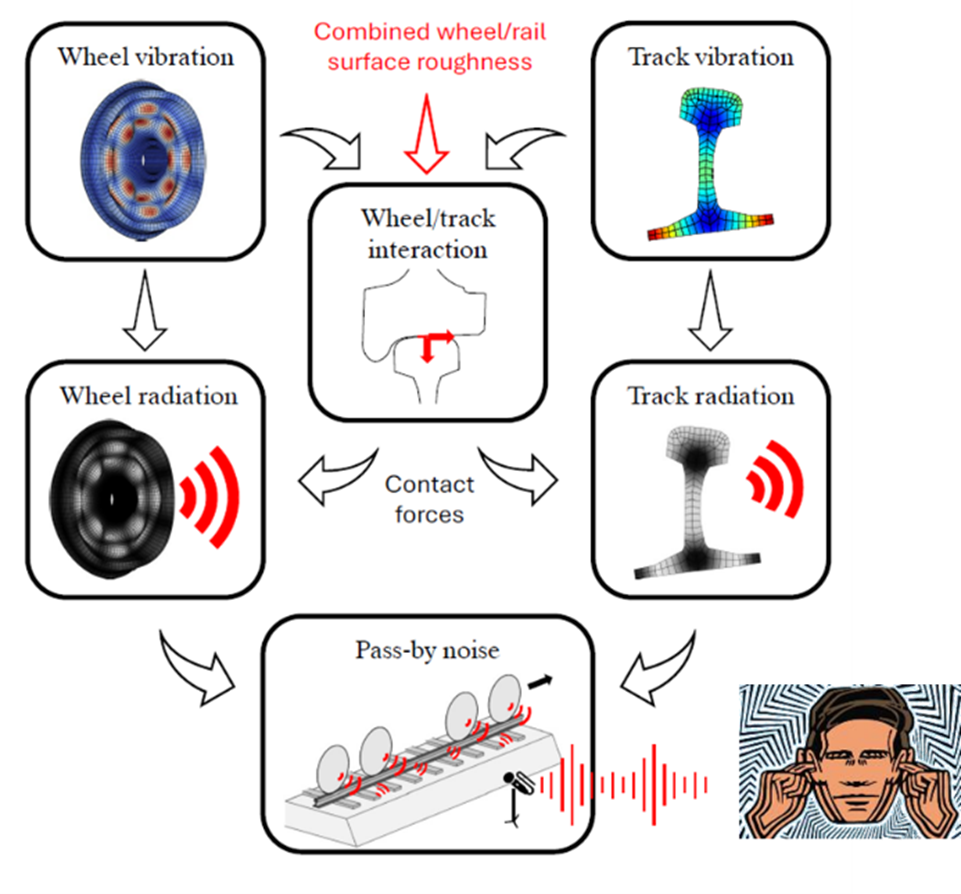
Railway noise: auralization of the sound radiated from wheel and rail
acoustics, auralization, curve squeal, noise synthesis, Railway noise, vehicle dynamics, Wheel-Rail interactionNoise generated by rail vehicles has become an issue of increasing concern, particularly in urban and interurban contexts where the demand for sustainable and efficient mobility has driven the expansion of rail networks. This has led, in recent years, to the development of several methodologies aimed at predicting the noise generated by wheel–rail interaction. However,
-
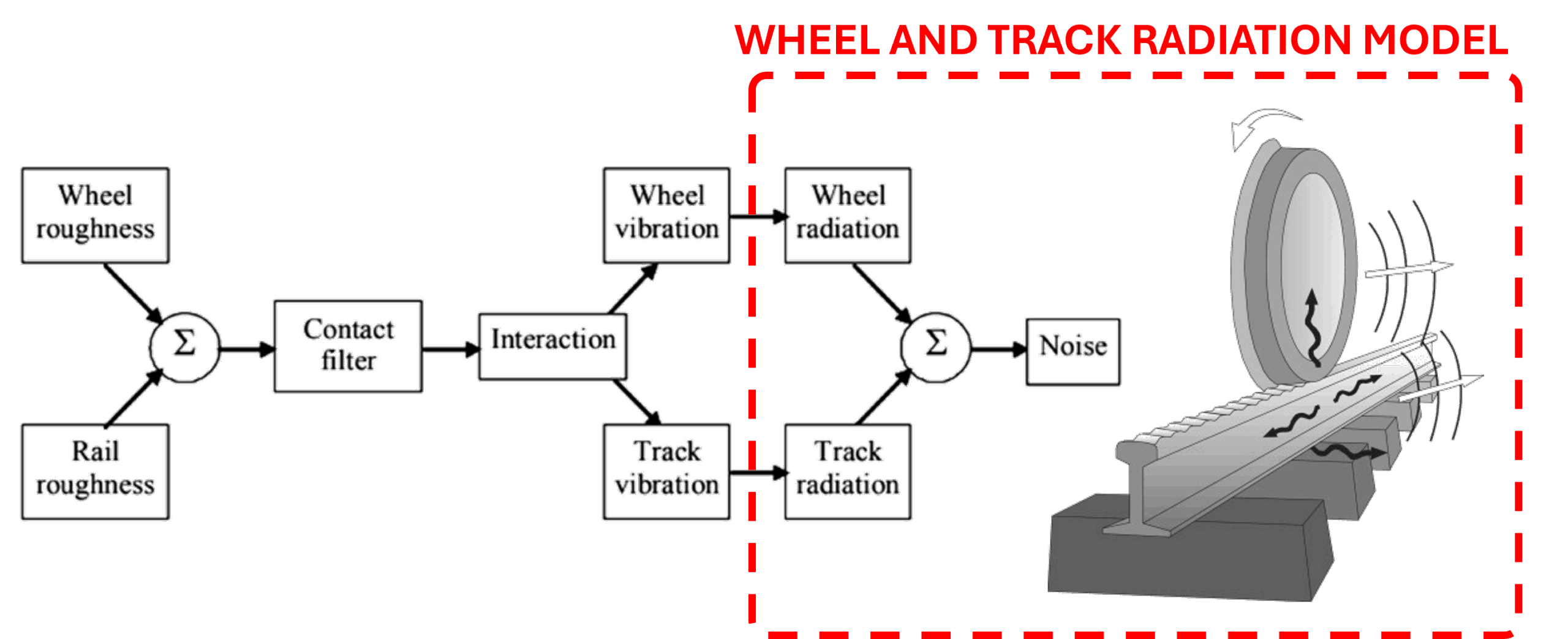
Railway noise: modelling sound radiation from wheel and rail
Noise generated by rail vehicles has become an issue of increasing concern, particularly in urban and interurban contexts where the demand for sustainable and efficient mobility has driven the expansion of rail networks. Consequently, there is a growing need to optimise vehicle design and component performance to comply with stringent regulatory requirements and to enhance