
Tag: vehicle dynamics
-
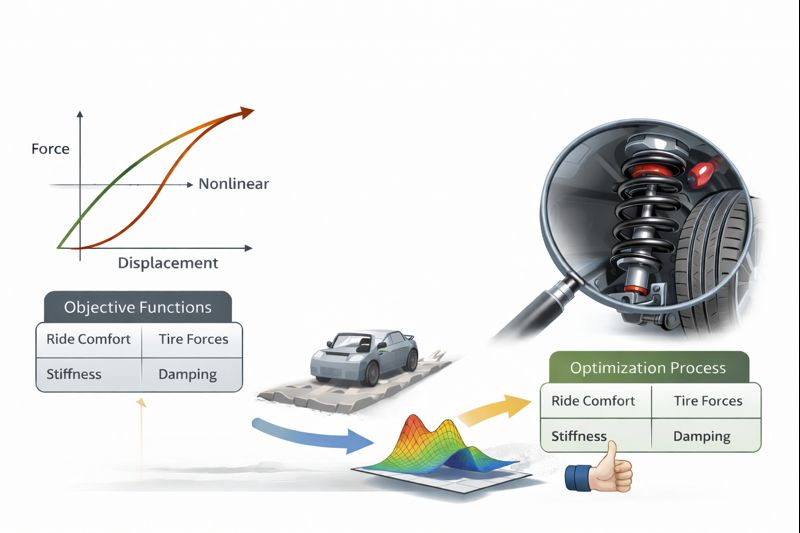
Study and Optimization of Automotive Suspension Systems Considering Nonlinear Dynamics
Automotive suspension systems play a fundamental role in determining vehicle ride comfort, road holding, and overall handling performance. Modern vehicles operate over a wide range of driving conditions in which suspension components exhibit significant nonlinear behavior due to geometric effects, nonlinear stiffness characteristics, damping properties, and the interaction with road irregularities. The aim of this
-
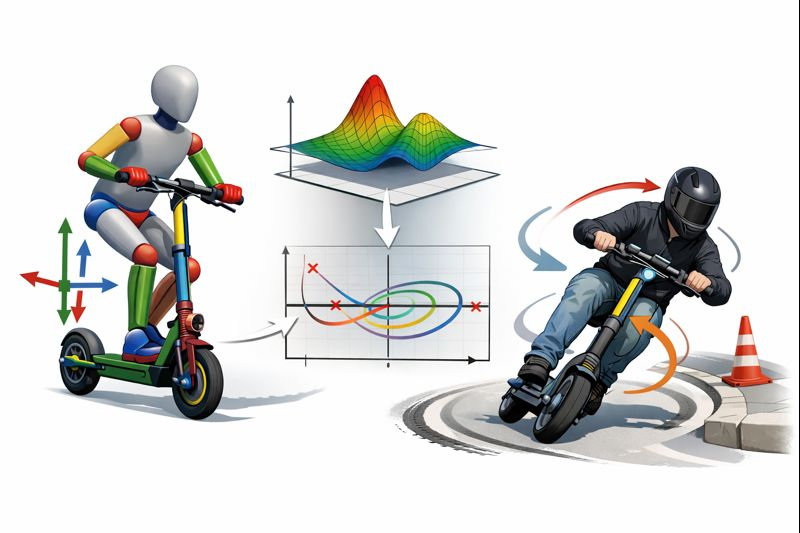
Lateral Dynamics and Stability Analysis of Electric Scooters
The rapid diffusion of electric scooters as a means of urban transportation has raised significant concerns regarding their dynamic stability and rider safety, particularly in lateral maneuvers such as cornering, obstacle avoidance, and low-speed balancing. Despite their widespread use, the lateral dynamics of electric scooters remain less investigated than those of motorcycles or bicycles, especially
-
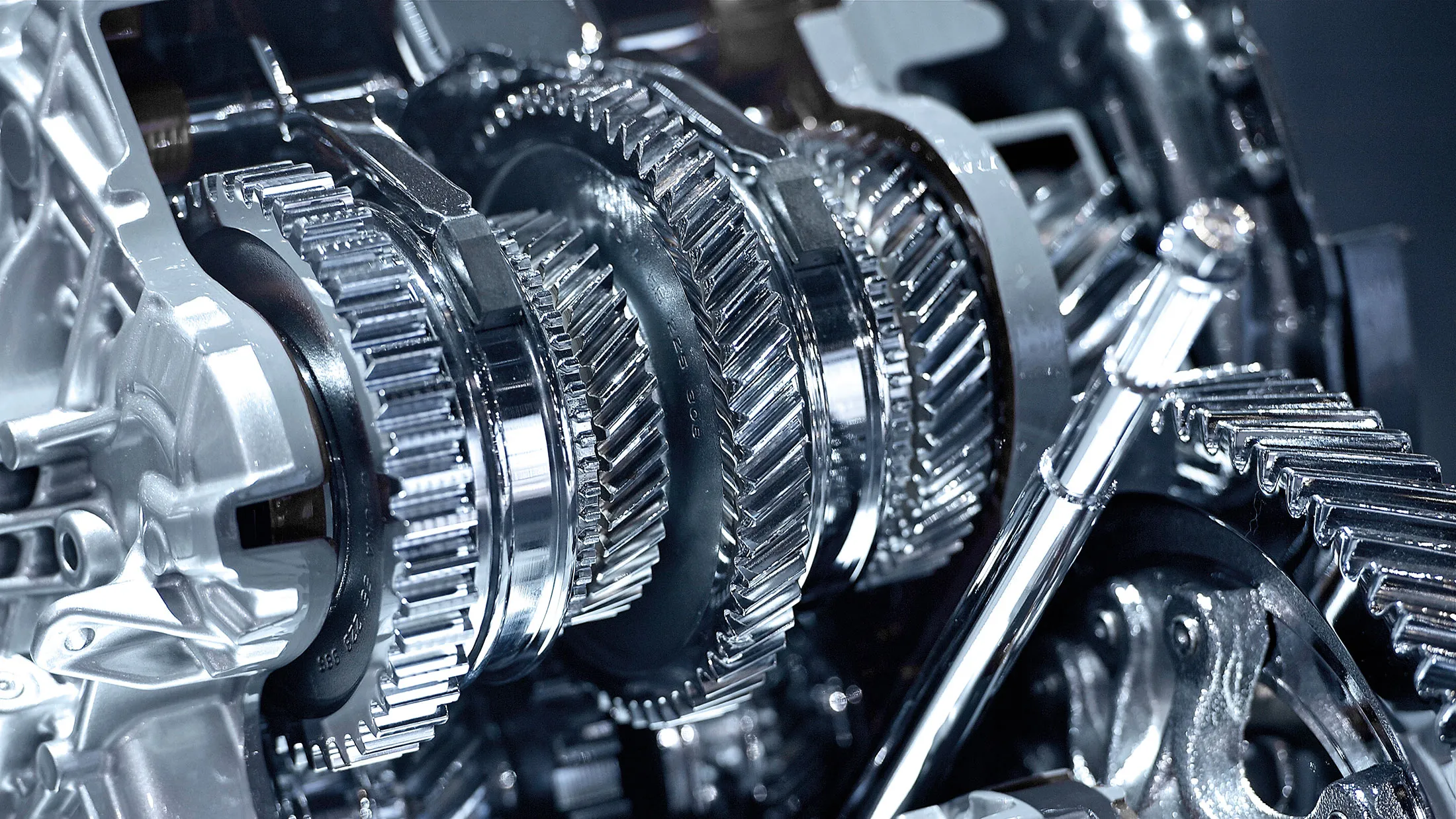
Non-linear analysis of powertrain torsional vibration accounting for backlash
This thesis investigates the non-linear torsional vibration behavior of automotive powertrains, explicitly accounting for backlash effects in transmission components. A lumped-parameter dynamic model is developed to represent dead-zone non-linearities, intermittent contact, and impact phenomena. Time- and frequency-domain analyses are performed to study the influence of operating conditions, torque excitation, and system parameters on the dynamic
-
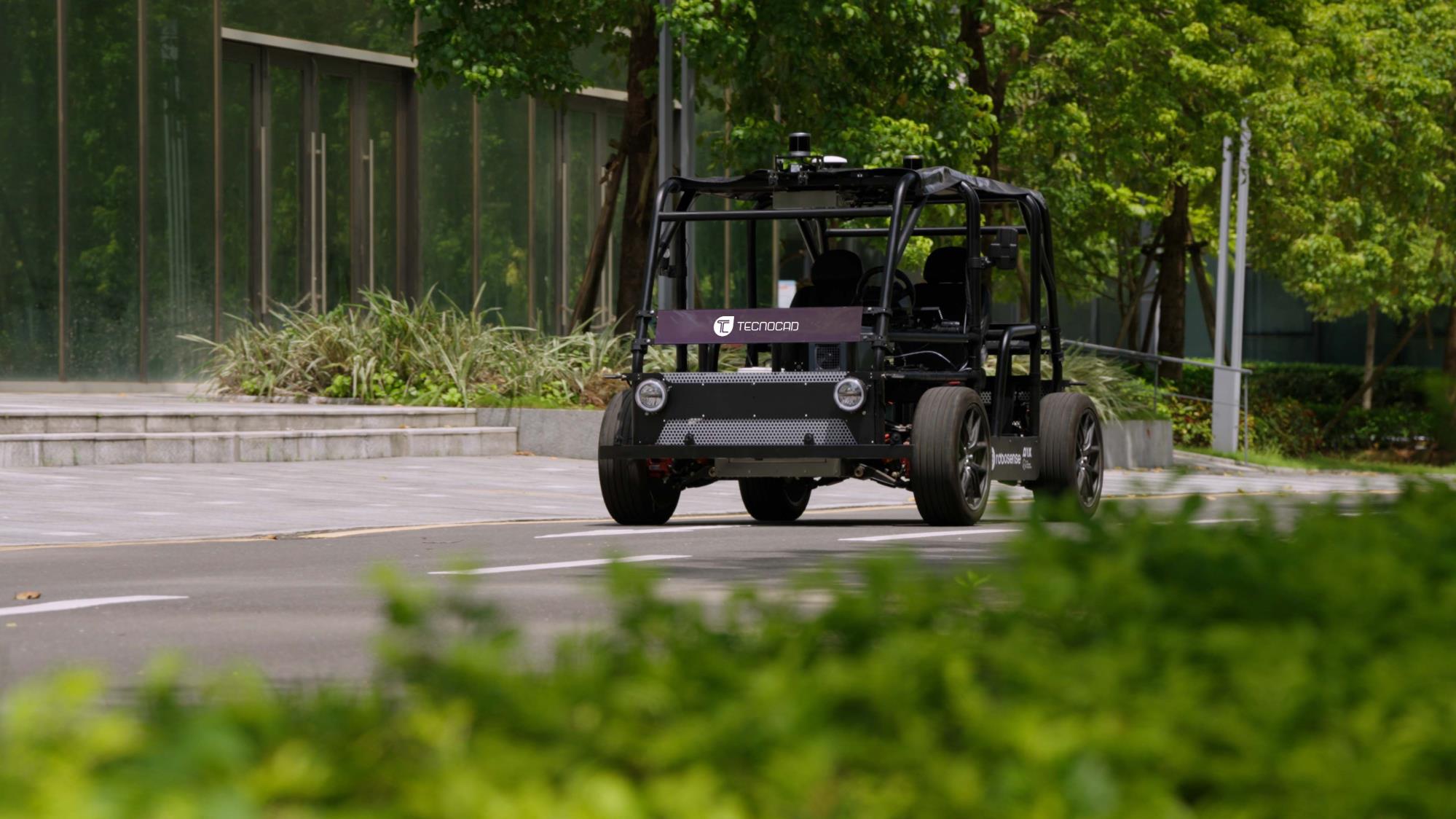
Industry-Driven Topics in AV Software, Teleoperation and Fleet Management with Tecnocad Group
Introduction This thesis “umbrella” is developed in interaction with Tecnocad Group, an Italian engineering company operating across mobility sectors and providing end-to-end engineering development from concept to production.Tecnocad Group delivered a guest presentation within the course, outlining several industry-relevant directions that can be shaped into a thesis topic depending on the interests and technical profile
-
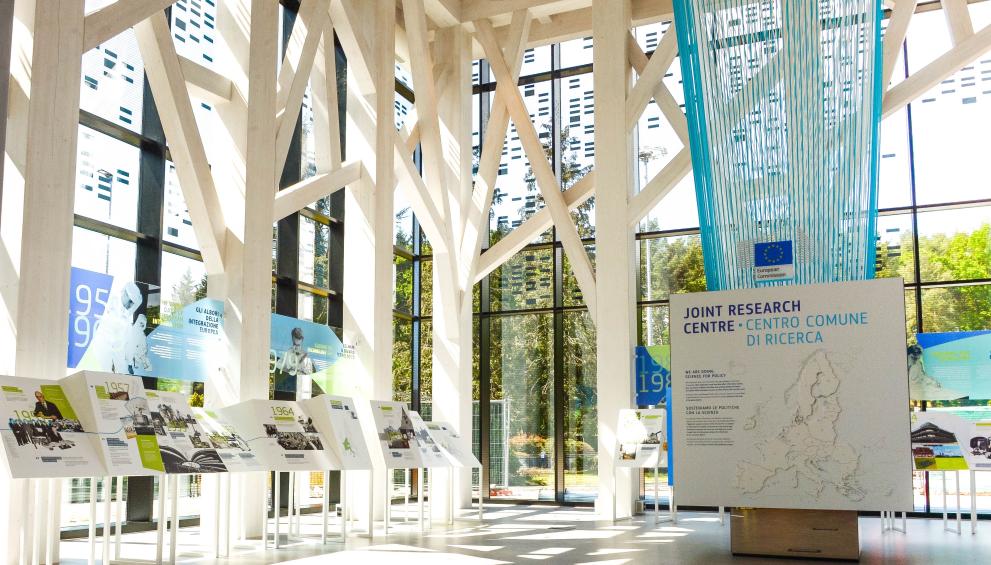
ADS Safety, Monitoring and Reporting Topics in collaboration with JRC (Ispra)
Introduction The Joint Research Centre (JRC) is the European Commission’s science and knowledge service, providing independent scientific advice and evidence to support EU policymaking. JRC in Ispra (Italy), is one of the European Commission’s major research campuses.This thesis “umbrella” collects potential topics inspired by those lectures, with a focus on safety-oriented analysis for Automated Driving
-

Adaptive Collision Avoidance in Mixed-Traffic Autonomous Driving via Hamilton-Jacobi Reachability and Learning-Based Techniques
Introduction When it comes to the safety of autonomous vehicles (AV), developing algorithms that balance conservatism and performance is the key to achieve methods that allow Avs to be integrated with human driven ones.One of the most promising techniques is the Hamilton-Jacobi (HJ) backward reachability analysis (based on dynamic programming and differential games), which allows
-
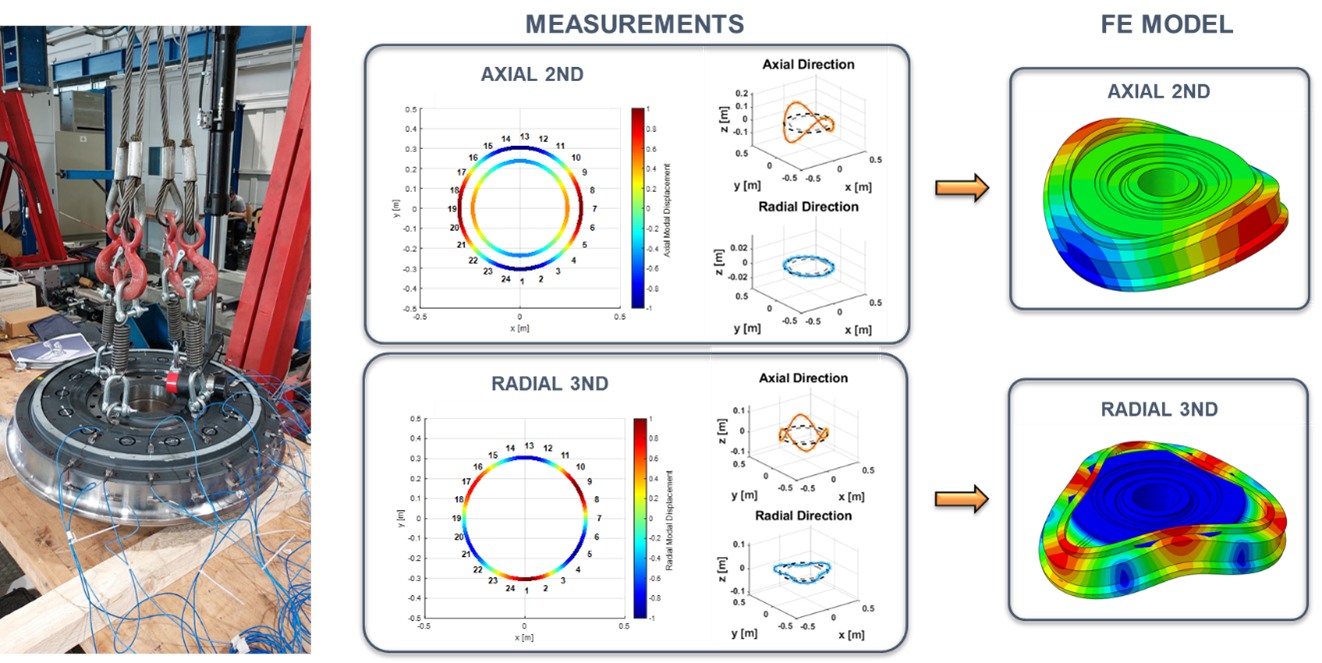
The influence of resilient wheels on railway noise and vibration induced by urban rolling stocks
Noise and vibration generated by rail vehicles has become an issue of increasing concern, particularly in urban and interurban contexts where the demand for sustainable and efficient mobility has driven the expansion of rail networks. Nowadays, it is very common to mount resilient wheels on light rail systems or tramcars, with the aim of reducing
-
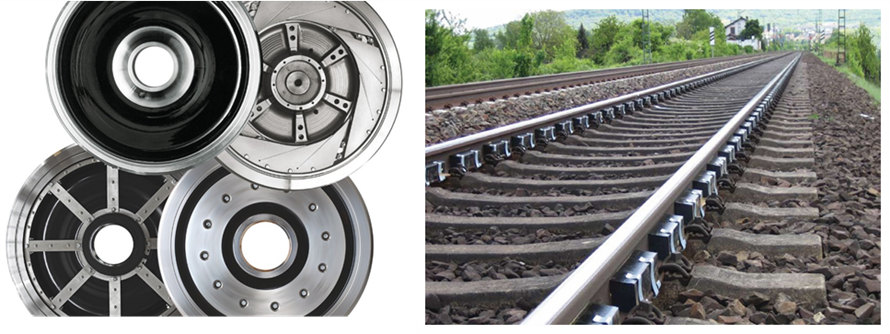
Mitigation of railway noise using wheel/rail dampers
curve squeal, dampers, FE model, Railway noise, vehicle dynamics, Vibrations, Wheel-Rail interactionNoise and vibration generated by rail vehicles has become an issue of increasing concern, particularly in urban and interurban contexts where the demand for sustainable and efficient mobility has driven the expansion of rail networks. Several mitigation solutions have been developed in the recent years, involving noise barriers, sound absorbing materials, advanced track components, resilient
-
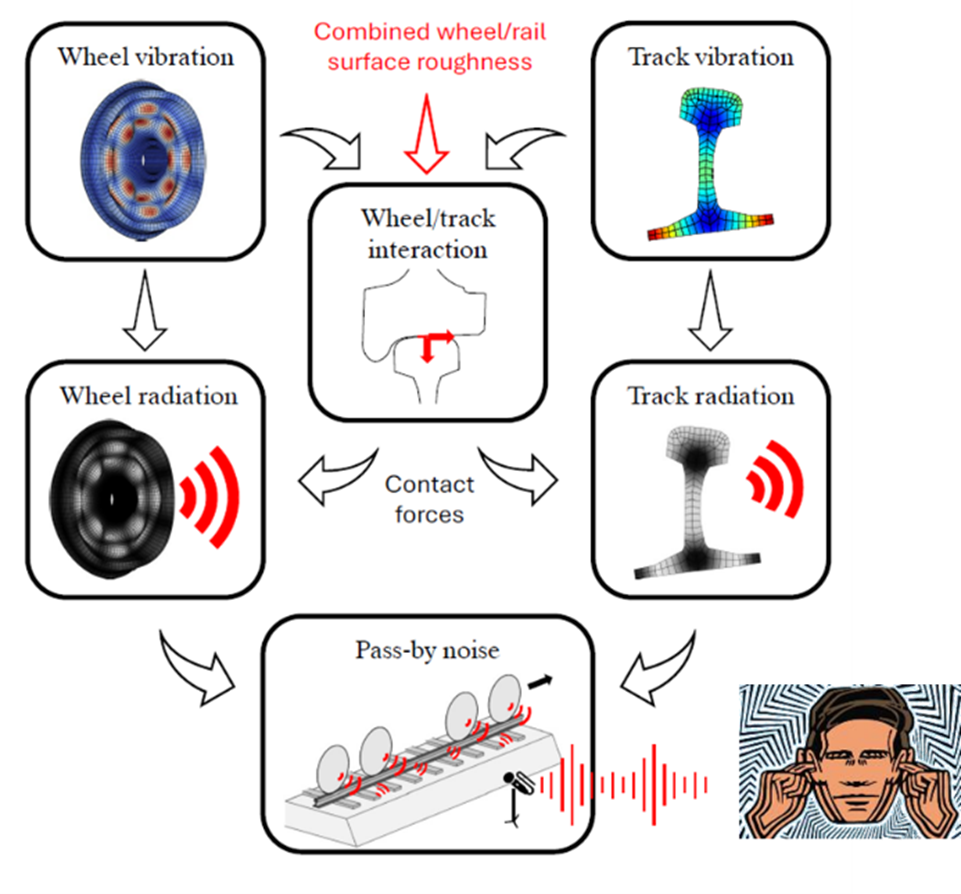
Railway noise: auralization of the sound radiated from wheel and rail
acoustics, auralization, curve squeal, noise synthesis, Railway noise, vehicle dynamics, Wheel-Rail interactionNoise generated by rail vehicles has become an issue of increasing concern, particularly in urban and interurban contexts where the demand for sustainable and efficient mobility has driven the expansion of rail networks. This has led, in recent years, to the development of several methodologies aimed at predicting the noise generated by wheel–rail interaction. However,
-
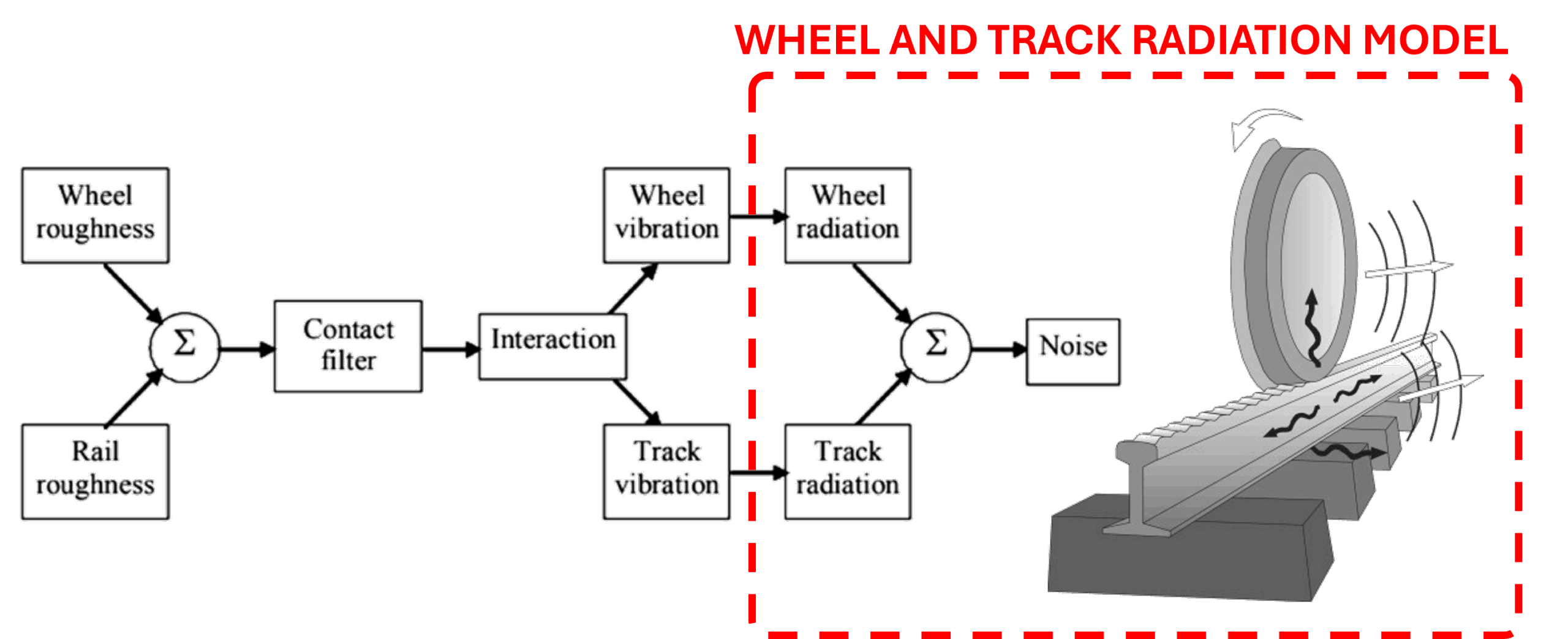
Railway noise: modelling sound radiation from wheel and rail
Noise generated by rail vehicles has become an issue of increasing concern, particularly in urban and interurban contexts where the demand for sustainable and efficient mobility has driven the expansion of rail networks. Consequently, there is a growing need to optimise vehicle design and component performance to comply with stringent regulatory requirements and to enhance