
Author: Emanuele Riva
-
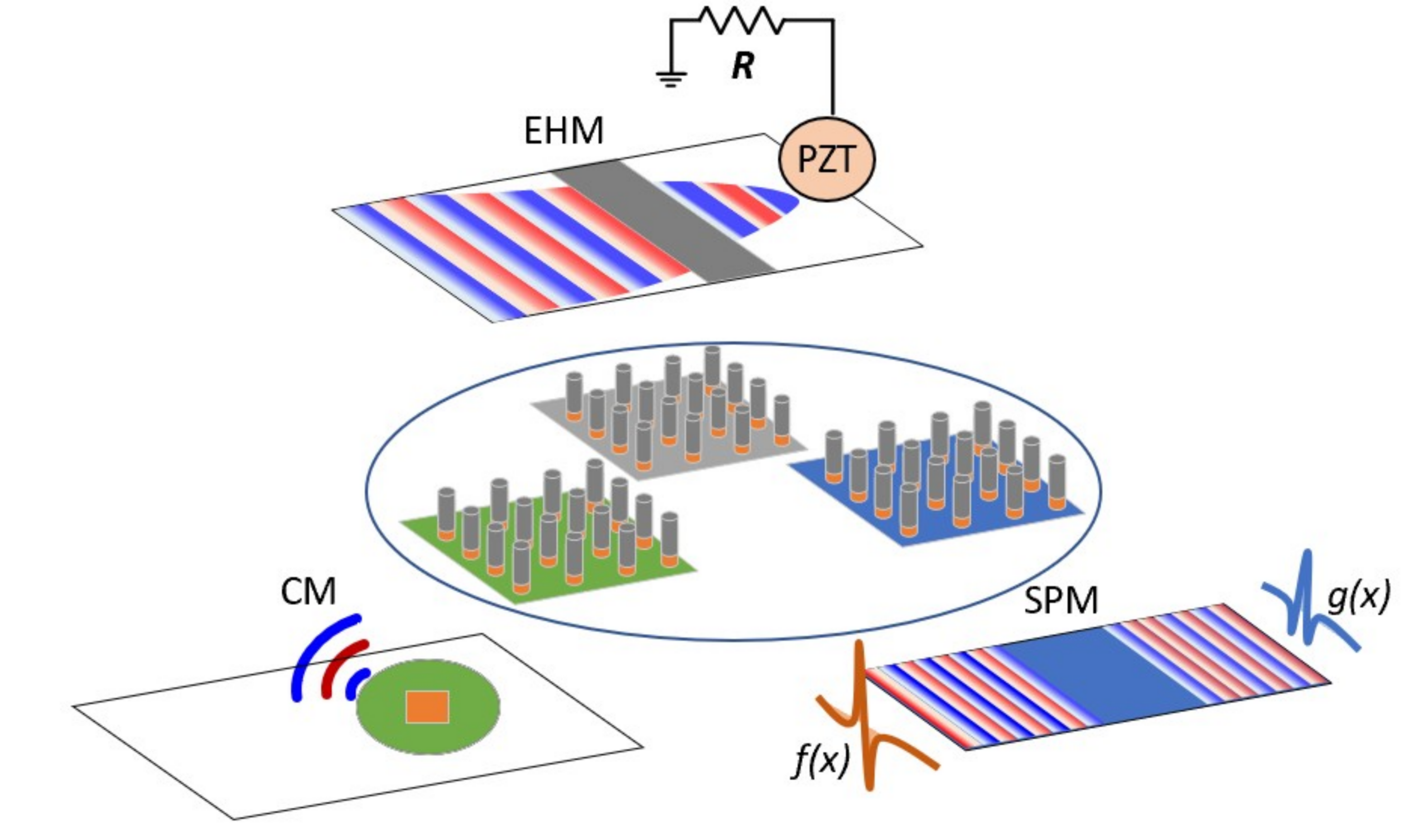
Metamaterials-based structural health monitoring
The aim of this thesis is to explore numerically and experimentally the fundamentals of wave elastodynamics in active, nonlinear, and topological metamaterials, and to identify functional behaviors that can be engineered to realize modules with a well-defined functionality. The implementation, then, consists of a network of modular transducers that can be easily embedded in a host structure and with
-
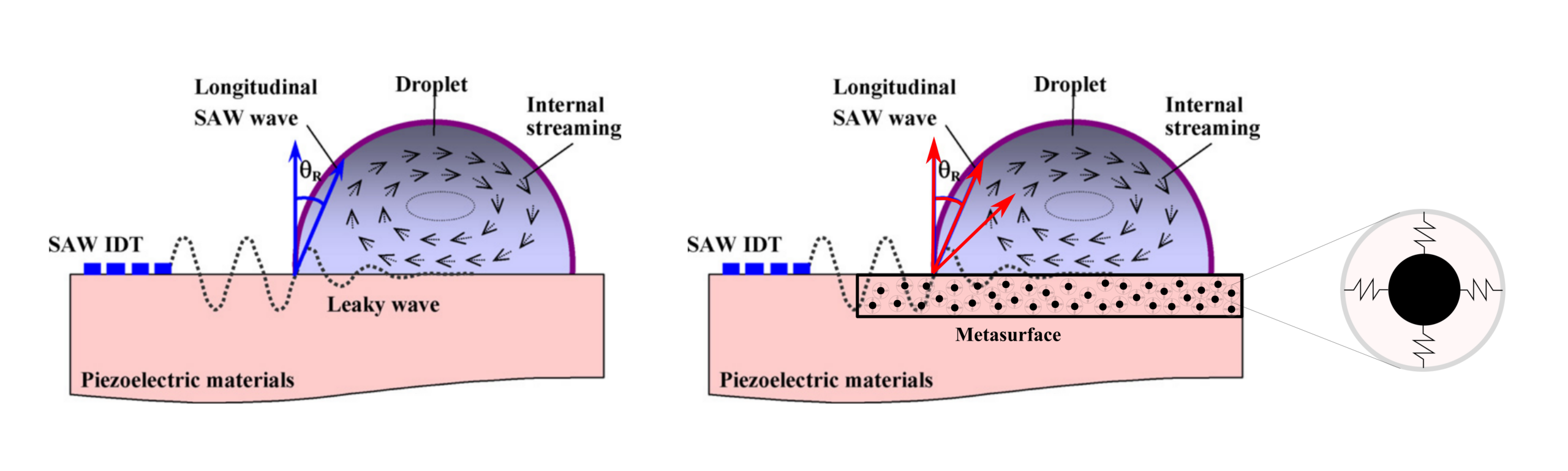
Metamaterials-controlled microfluidics
Leaky waves exist in correspondence of a boundary between a fluid, when the velocity of the wave propagating in the solid is greater than that propagating in the fluid. As a result, there is a radiation mechanism that takes place, whereby the energy, initially sitting in the solid, propagate in the fluid at a fixed
-

Metamaterial-based physical neural networks and analog computing
Elastic metamaterials are formed by a spatial arrangement of small-scale unitary elements, yielding unusual dynamic characteristics at the macro-scale. Each element can be seen as a “mirror”, that is capable of refracting or stopping waves and vibrations to the next-neighbours. From a topology viewpoint, artificial neural networks (ANNs) and metamaterials share a similar structure, whereby
-
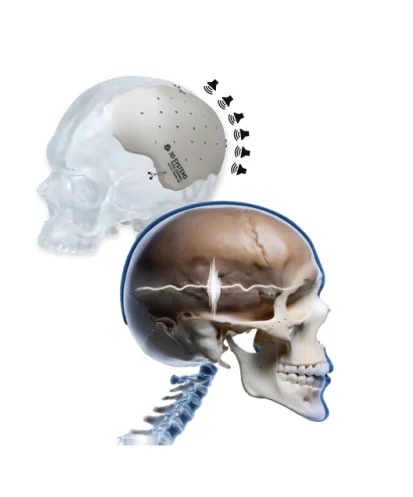
Transcranial focused ultrasound via metamaterial engineering
DETAILS: the aim of this project is to study a metamaterial structure capable of focusing ultrasound from outside to the inside the skull. In this field, the state-of-the-art ultrasound technology features a hemispherical transducer array with many piezoelectric elements operating around a central frequency of 650 kHz. By leveraging complex electronic circuits the system allows