
Author: Stefano Arrigoni
-
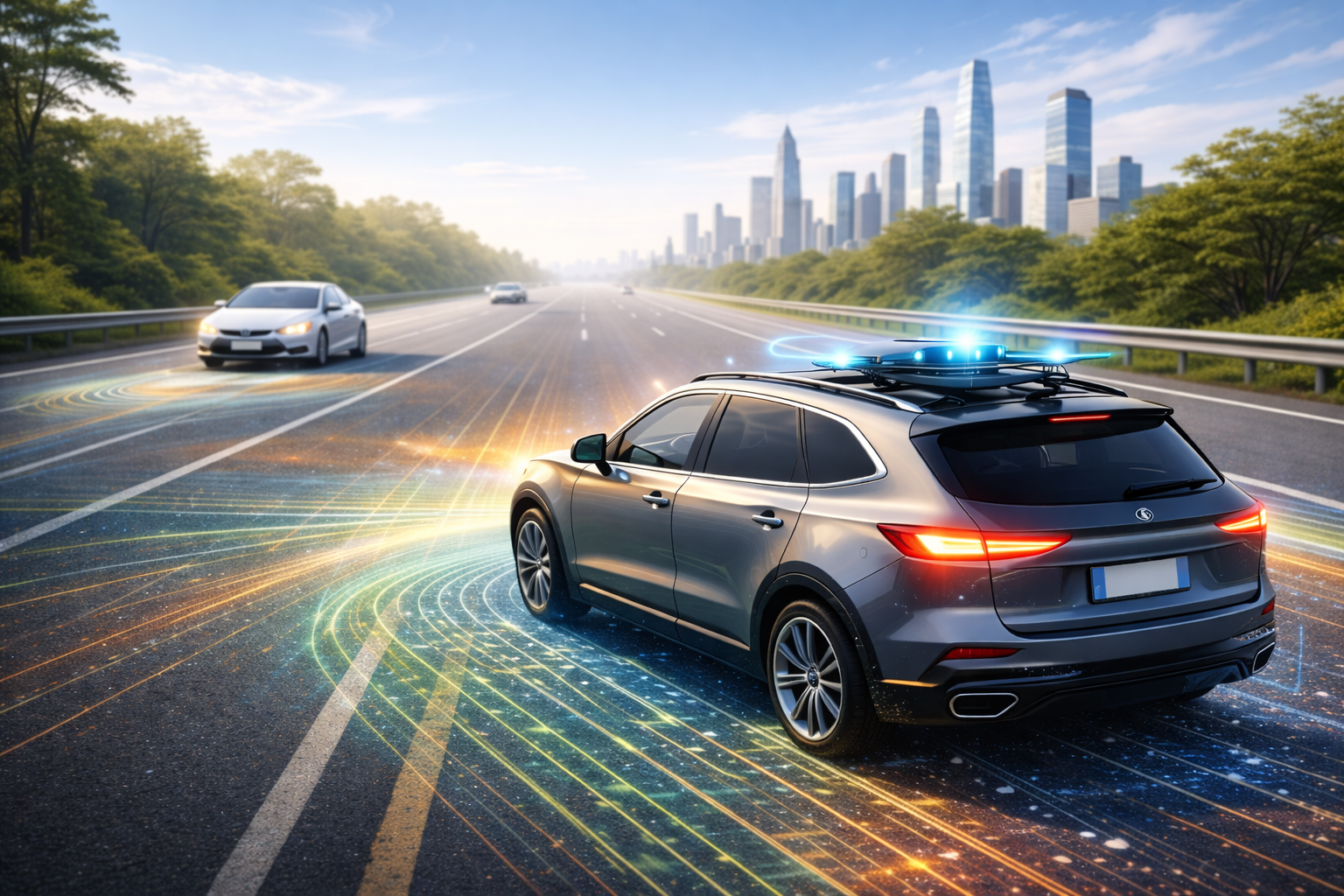
Severity-Guided Adaptive Sensor Fusion: A Dynamic Weighting Framework for Resilient Autonomous Navigation under Sensor Failures
Introduction Reliable operation of Autonomous Vehicles relies heavily on multi-modal sensor fusion (combining Camera, LiDAR, and Radar) to compensate for individual sensor weaknesses. However, standard deep learning fusion architectures typically operate under the assumption of nominal sensor health. Consequently, they lack a fail-safe mechanism to handle corrupted data streams caused by environmental degradation (e.g., severe
-
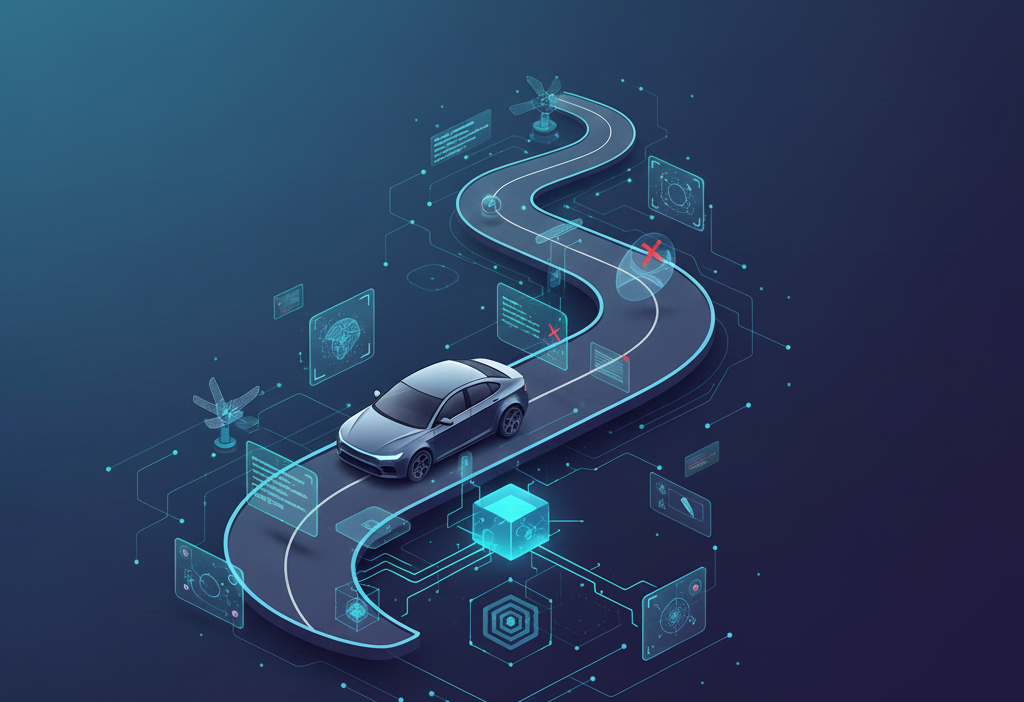
4DRadar-Guided Generative Inpainting: Robust LiDAR Restoration via Latent Diffusion Models under Sensor Failures and Adverse Weather
Introduction LiDAR sensors are the backbone of precise 3D perception in autonomous vehicles, but they suffer from significant degradation in adverse weather (scattering in fog/rain) and are prone to hardware failures. While traditional filtering removes noise, it leaves geometric gaps that can blind downstream detectors. Conversely, 4D Imaging Radar is resilient to weather but lacks
-
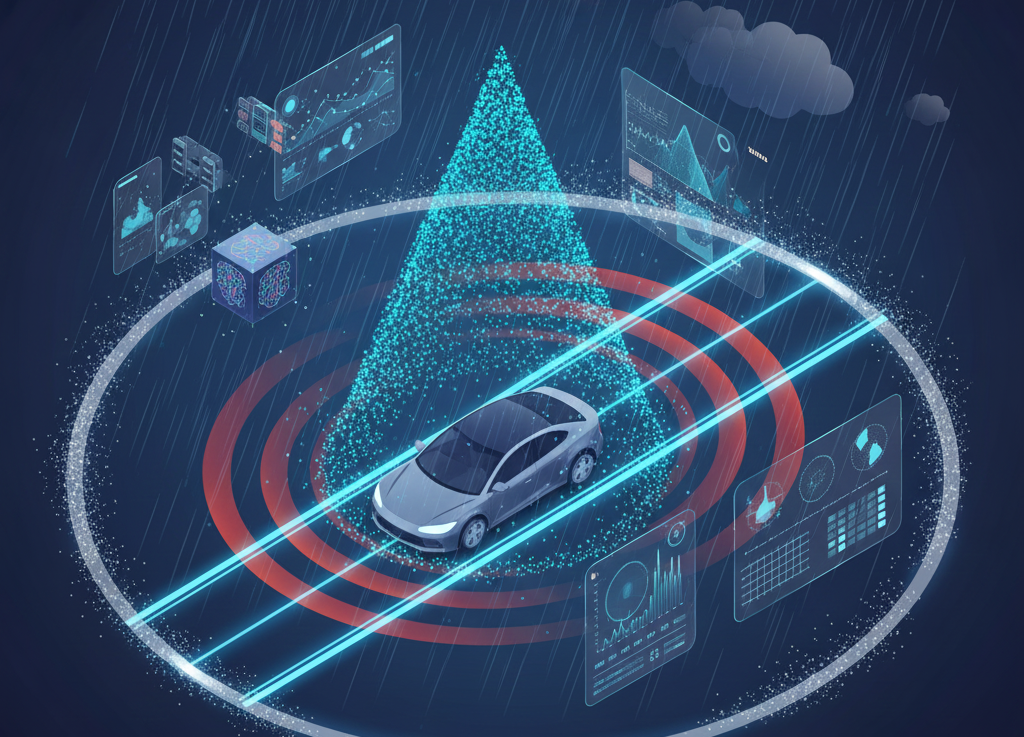
Mamba-Driven Robust Navigation: Efficient Long-Sequence State Space Models for 4D Radar and Multi-Modal SLAM
Introduction Reliable Simultaneous Localization and Mapping (SLAM) in adverse weather remains a significant challenge for autonomous driving. While LiDAR sensors offer high geometric precision, they are prone to signal degradation in rain, fog, and snow. Conversely, 4D Imaging Radar provides superior resilience and dynamic Doppler information but suffers from inherent sparsity, multipath noise, and lower
-
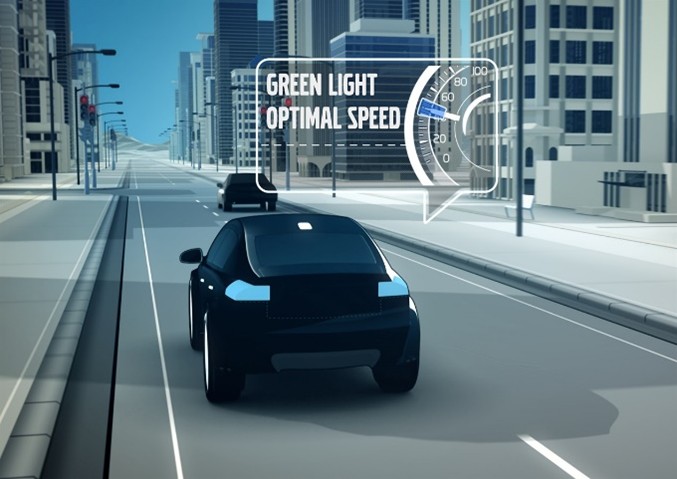
Optimality assessment of an NMPC-based GLOSA system
Introduction The assessment of solution optimality is a crucial aspect in the design of real-time control strategies for intelligent transportation systems. In the context of Green Light Optimal Speed Advisory (GLOSA), Nonlinear Model Predictive Control (NMPC) is widely adopted due to its ability to handle system constraints and nonlinear vehicle dynamics while operating in real
-
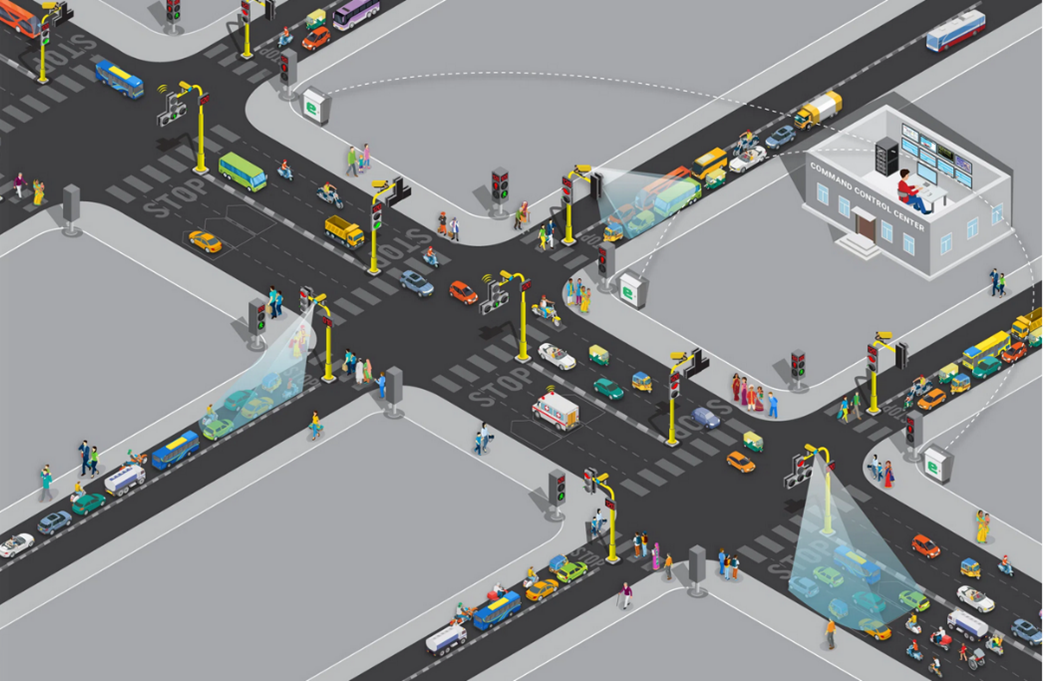
Development of a centralized eco-driving system
Introduction Centralized eco-driving systems exploit vehicle-to-infrastructure (V2I) communication to coordinate vehicle speed profiles based on traffic signal and network information. By enabling predictive and cooperative driving, it reduces energy consumption, emissions, and travel time, while improving traffic flow efficiency and driving comfort. Goals This thesis proposes the development of a smart traffic light control system
-

Manual-Driving Data Acquisition System for Dataset Creation in Unstructured Private Areas with VRU Interaction
Introduction High-quality datasets are a key enabler for data-driven methods in autonomous driving and mobile robotics. This is particularly true in unstructured environments and private areas (e.g., campuses, industrial sites, private roads), where vehicle behavior and interactions can differ substantially from public-road scenarios. In these contexts, collecting representative data of vehicle operation and VRU (Vulnerable
-
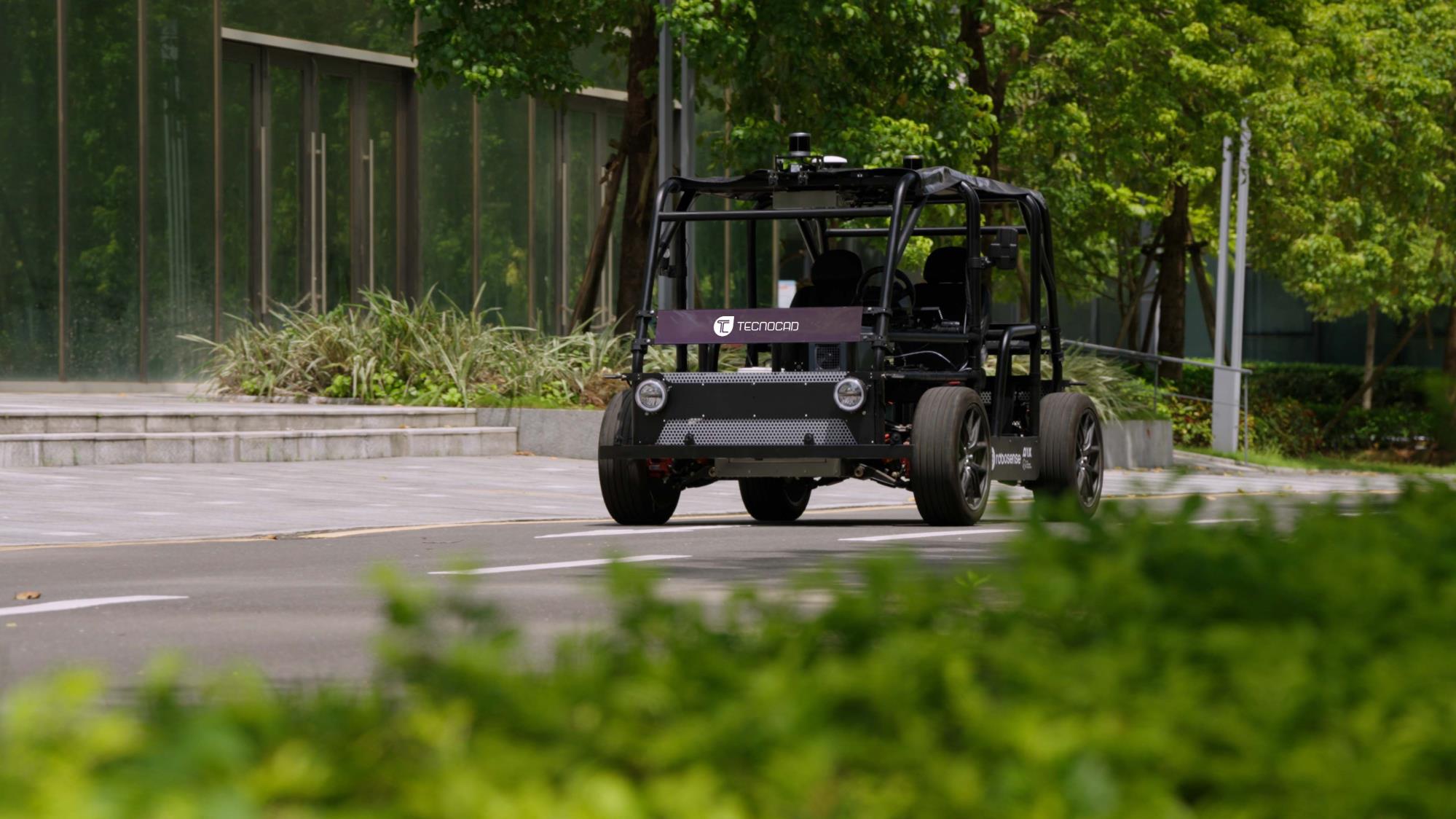
Industry-Driven Topics in AV Software, Teleoperation and Fleet Management with Tecnocad Group
Introduction This thesis “umbrella” is developed in interaction with Tecnocad Group, an Italian engineering company operating across mobility sectors and providing end-to-end engineering development from concept to production.Tecnocad Group delivered a guest presentation within the course, outlining several industry-relevant directions that can be shaped into a thesis topic depending on the interests and technical profile
-

ADS Safety, Monitoring and Reporting Topics in collaboration with JRC (Ispra)
Introduction The Joint Research Centre (JRC) is the European Commission’s science and knowledge service, providing independent scientific advice and evidence to support EU policymaking. JRC in Ispra (Italy), is one of the European Commission’s major research campuses.This thesis “umbrella” collects potential topics inspired by those lectures, with a focus on safety-oriented analysis for Automated Driving
-
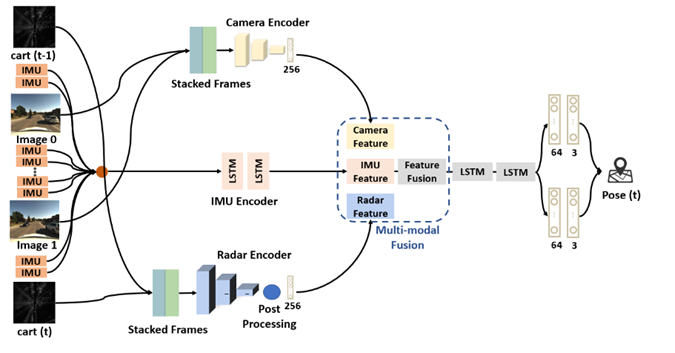
Dataset-Driven Robust Ego Localization for Autonomous Vehicles in Challenging Sensing Conditions
Introduction Robust ego-vehicle localization is a core requirement for autonomous driving. In real-world operation, performance can degrade due to adverse weather and non-ideal sensor behavior, such as dropouts, partial failures, miscalibration, or temporal misalignment. This thesis topic focuses on dataset-driven, learning-based approaches to improve localization robustness in multi-sensor settings, with systematic experimental evaluation. Goals This
-

Adaptive Collision Avoidance in Mixed-Traffic Autonomous Driving via Hamilton-Jacobi Reachability and Learning-Based Techniques
Introduction When it comes to the safety of autonomous vehicles (AV), developing algorithms that balance conservatism and performance is the key to achieve methods that allow Avs to be integrated with human driven ones.One of the most promising techniques is the Hamilton-Jacobi (HJ) backward reachability analysis (based on dynamic programming and differential games), which allows